
Ensuring the purity of your home’s water is crucial for your family’s health and well-being. Water quality testing is a simple yet effective method to achieve this. Whether you reside in the bustling streets of Linda Vista, CA, or enjoy the serene coastal views of La Jolla, CA, the quality of your water matters. It’s a step that can uncover hidden contaminants and safeguard your household’s health.
Water quality testing doesn’t require professional expertise to get started. With a variety of at-home testing kits available, identifying potential issues with your water supply has never been easier. These kits can detect a range of contaminants, from lead and chlorine to bacteria and pH imbalances. This process empowers homeowners to take the first step toward cleaner, safer water.
Understanding the results of your water quality test is key to improving your home’s water supply. The findings can reveal a lot about the condition of your water and what steps you may need to take next. Whether it’s installing a water filtration system or seeking further analysis, knowing what’s in your water is the foundation for making informed decisions.
Taking action based on your water quality testing results can significantly enhance your home’s living conditions. It’s not just about meeting safety standards but ensuring peace of mind for you and your loved ones. By prioritizing the purity of your water, you’re investing in your health and the longevity of your home’s plumbing system. With each test, you’re one step closer to ensuring the water you rely on daily is as clean and safe as possible.
Understanding the Basics of Water Quality Testing
Water quality testing begins with choosing the right kit for your needs. Various types are available, each designed to detect specific contaminants. For instance, some kits focus on mineral content, like lead or copper, while others target biological pollutants, such as bacteria or algae. Selecting the appropriate test ensures you’re well-informed about your water’s condition.
Once you have your kit, the testing process is straightforward. Simply follow the instructions provided, usually involving collecting a water sample and applying a test strip or chemical reagent. In minutes, you’ll have results that offer insight into your water’s quality. This immediate feedback is invaluable for taking the first steps toward cleaner water.
Interpreting the results is the next critical phase. Each test kit comes with a guide to understand what the findings mean. For example, a high level of chlorine might indicate a need for a filtration system, while the presence of bacteria suggests further investigation and possible treatment. Knowing how to read these results can direct you toward the right solution.
Finally, it’s essential to act on the information you’ve gathered. If your water quality testing in Linda Vista, CA, reveals contaminants, exploring filtration options becomes a priority. Similarly, in La Jolla, CA, if tests show an imbalance in pH levels, seeking professional advice might be the best course. Taking these steps not only improves your water quality but also protects your family’s health.
How to Collect a Water Sample for Testing
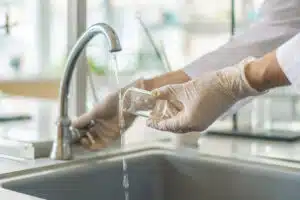
To start the water quality testing process, the first step is collecting a water sample correctly. It’s crucial to choose a container that’s clean and free from any contaminants to avoid skewing the results. Tap water should run for a few minutes before you collect the sample to ensure it’s fresh from the supply line. This method helps in getting an accurate representation of the water entering your home in places like Linda Vista, CA.
After selecting the right container, fill it carefully, making sure not to touch the inside with your fingers. This precaution prevents the addition of unwanted substances that could affect the test’s outcome. Once filled, seal the container tightly to avoid any spillage or contamination before the testing begins. This step is foundational in preparing for a successful water quality testing at home.
Next, label the container with relevant details such as the date, time, and the specific tap the sample was taken from. This information is invaluable, especially if you’re conducting multiple tests or comparing results over time. In areas like La Jolla, CA, where water quality might vary due to environmental factors, detailed records can highlight trends or issues specific to your locality.
Finally, follow the instructions on your water quality testing kit to analyze the sample. Whether it involves dipping a test strip into the water or adding a chemical reagent, accuracy in this step is key. By carefully preparing and analyzing your water sample, you set the stage for understanding and enhancing the quality of your home’s water supply.
Choosing the Right Water Quality Testing Kit
When it comes to water quality testing, the variety of kits available can make selecting the right one seem daunting. Each kit is tailored to detect specific contaminants, ensuring that you can focus on what concerns you most about your water supply. Whether it’s heavy metals, bacteria, or chemical imbalances, there’s a kit designed to uncover these issues. Making an informed choice means you’re already on the path to securing cleaner water for your home.
Understanding the scope of different testing kits is crucial for accurate results. For instance, if you’re in Linda Vista, CA, and are concerned about agricultural runoff, a kit that tests for pesticides and nitrates would be ideal. Conversely, in La Jolla, CA, where industrial activity might influence water quality, opting for a kit that detects heavy metals and industrial chemicals is advisable. This targeted approach ensures that your testing efforts are both efficient and effective.
Once you’ve selected the appropriate kit, familiarizing yourself with how it works is the next step. Most kits come with user-friendly instructions, making it easy to conduct the tests accurately. Whether you’re using test strips that change color based on the contaminant levels or a digital meter that provides a precise reading, following the instructions carefully is key. This attention to detail helps ensure that the results you get are reliable and informative.
Acting on the results of your water quality testing is essential. If the test indicates a problem, the next steps might include installing a water filtration system or consulting with a professional for more in-depth analysis. Understanding that these results are a snapshot of your water’s condition empowers you to make decisions that enhance your home’s water quality. It’s not just about identifying issues but also about finding solutions to ensure your water is safe and clean.

Step-by-Step Guide to DIY Water Quality Testing
Embarking on DIY water quality testing starts with gathering your supplies. You’ll need a testing kit that matches your concerns, a clean container for the water sample, and a note to record details. This preparation ensures that everything is ready for a smooth testing process. It’s a straightforward approach that puts you in control of monitoring your home’s water quality.
Next, collecting the water sample correctly is crucial for accurate results. Let the tap water run for a few minutes to get a fresh sample, then fill your container without touching the inside. This method minimizes contamination risks, providing a clear snapshot of your water’s condition. Whether you’re in Linda Vista, CA, or another area, this step is key to reliable water quality testing.
After securing your water sample, it’s time to use your chosen testing kit. Carefully follow the kit’s instructions, whether that involves dipping a strip into the water or adding a chemical solution. This part of the process transforms your efforts into tangible results, offering insights into your water’s quality. It’s a critical step that bridges the gap between suspicion and understanding.
Finally, interpreting the results correctly guides your next actions. If issues are detected, consider solutions like installing a filtration system or consulting with a professional for more detailed analysis. This proactive stance ensures that your home in La Jolla, CA, enjoys cleaner, safer water. By taking these steps, you’re not just testing your water, you’re actively improving your family’s health and well-being.
Interpreting Your Water Quality Testing Results
After conducting water quality testing, interpreting the results accurately is crucial. This step transforms raw data into actionable insights. For instance, if testing reveals high levels of chlorine in your Linda Vista, CA, home, it suggests the need for a filtration system to ensure safe drinking water. Recognizing these indicators allows homeowners to address specific concerns effectively.
Understanding the implications of different contaminants can guide your next steps. For example, the presence of bacteria in water from La Jolla, CA, requires immediate attention, potentially indicating a need for disinfection or a deeper investigation into the water source. This understanding ensures that measures taken are both appropriate and effective, safeguarding your home’s water quality.
Sometimes, results might indicate that your water is within safe limits, offering peace of mind. However, it’s wise to conduct periodic testing to monitor changes over time. Seasonal variations or changes in local infrastructure can impact water quality, making regular testing a proactive approach to maintaining water safety and cleanliness.
If your test results highlight concerns, consulting with a professional can provide a deeper analysis. They can offer tailored solutions, whether it’s installing advanced filtration systems or recommending specific treatments. Taking informed action based on your water quality testing results not only enhances your home’s water but also contributes to the overall well-being of your household.
Addressing Common Water Quality Issues
Addressing common water quality issues begins with recognizing the specific problems your testing has uncovered. For instance, if water quality testing in your Linda Vista, CA home reveals hard water, installing a water softener might be the best solution. This approach can mitigate issues like scale buildup in pipes and appliances, enhancing their longevity and efficiency. It’s a proactive step toward maintaining the quality and safety of your home’s water supply.
In cases where water quality testing indicates the presence of contaminants like lead or pesticides, more advanced solutions may be necessary. For homes in La Jolla, CA, a reverse osmosis system could be ideal for removing these harmful substances. Such systems are effective in purifying water, ensuring that what comes out of your tap is safe for drinking and cooking. Investing in such filtration technology can significantly improve your water quality and health.
Regular maintenance of your water filtration systems is also crucial for sustaining water quality. Changing filters as recommended prevents the resurgence of previously addressed contaminants. This ongoing vigilance ensures that your efforts in improving water quality are not in vain. Keeping a schedule for maintenance checks can safeguard against unexpected water quality issues, maintaining the purity of your water.
Lastly, understanding that water quality can change over time encourages the practice of regular water quality testing. Seasonal changes or adjustments in municipal water treatment processes can affect your home’s water quality. By conducting periodic testing, you stay ahead of potential problems, ensuring your water treatment solutions remain effective. This commitment to monitoring and maintaining water quality can offer peace of mind, knowing your family has access to clean, safe water.
Implementing Solutions for Cleaner, Safer Water
After discovering what your home’s water quality testing reveals, it’s time to consider the best course of action. For residents in Linda Vista, CA, facing issues with sediment or turbidity, a sediment filter might be the ideal solution. This filter works efficiently to clear out any visible particles, ensuring that the water looks and feels cleaner. It’s a straightforward fix that significantly enhances the clarity and overall quality of your water.
In La Jolla, CA, if water quality testing indicates the presence of harmful microorganisms, ultraviolet (UV) purification could be a wise choice. UV systems use light to kill bacteria and viruses without adding chemicals to your water. This method ensures that your water is safe for drinking, cooking, and bathing. It’s an effective solution that addresses health concerns directly, offering peace of mind to homeowners.
For those dealing with a variety of issues highlighted by water quality testing, a multi-stage filtration system might be necessary. These systems combine several types of filters, each targeting different contaminants. By doing so, they provide a comprehensive solution that tackles everything from heavy metals to chlorine taste and odor. Installing such a system can transform the quality of your water, making it safer and more pleasant to use every day.
Lastly, it’s essential to stay proactive about your water quality by scheduling regular testing. Changes in the environment, local water treatment practices, or even your home’s plumbing can alter water quality over time. By keeping an eye on the condition of your water, you can adjust your purification strategies as needed. This ongoing commitment ensures that your efforts to maintain clean, safe water continue to be effective, safeguarding your family’s health and well-being.

When to Call a Professional for Water Quality Testing
While DIY water quality testing kits offer a convenient way to monitor the safety of your home’s water, certain situations necessitate professional expertise. If you’re in Linda Vista, CA, and your at-home test results suggest complex issues like cross-contamination or persistent pollutants, it’s time to consult with a specialist. Professionals can perform more comprehensive tests, identifying contaminants that DIY kits may miss. This ensures a thorough understanding of your water’s condition, guiding you towards the most effective treatment solutions.
In La Jolla, CA, if you experience recurring health issues that you suspect are water-related, reaching out to a professional for water quality testing is crucial. Experts can link specific contaminants to health problems, providing a clear direction for remediation efforts. Their advanced testing methods go beyond the scope of home kits, offering detailed insights into your water’s safety. Acting on these professional assessments can safeguard your family’s health, addressing underlying issues with precision.
Professional water quality testing is also advisable when planning significant home renovations or installing new plumbing systems. Changes to your home’s infrastructure can inadvertently affect water quality, introducing new contaminants or disrupting existing filtration solutions. A professional assessment before and after such projects ensures that your water remains safe, helping you avoid unintended consequences. This proactive approach maintains the integrity of your home’s water supply, ensuring ongoing safety and quality.
Lastly, regular professional testing is a wise strategy for areas prone to environmental changes or industrial activity. Even if previous tests have shown your water to be safe, new external factors can alter its composition. Scheduling annual or bi-annual professional water quality testing can catch these changes early, allowing for timely interventions. This ongoing vigilance keeps your water quality at its best, ensuring your home in either Linda Vista, CA, or La Jolla, CA, continues to have access to clean, safe water.
Frequently Asked Questions
What is water quality testing?
Water quality testing is a process to check what’s in your water. It identifies harmful elements like lead, bacteria, and chemicals. This testing helps ensure your water is safe to drink and use daily. Knowing the results, you can take steps to improve your home’s water quality.
How can I test water quality at home?
Testing water quality at home is simpler than you might think. You can use test strips that react with water to reveal contaminants. Another option is a home testing kit that checks for specific substances. After testing, you’ll understand what’s in your water and decide if you need to take further action.
What tools are needed for water quality testing?
For water quality testing, you’ll need a few key tools. Test strips or a home testing kit are great starting points. These kits often include instructions and color charts to help interpret results. With these in hand, you can easily assess your water’s safety and purity right at home.
Can water quality testing detect lead?
Yes, water quality testing can identify lead presence in your water. Many home testing kits are designed specifically for this purpose. By detecting lead, these tests help safeguard your family’s health. If lead is found, taking steps to remove it becomes crucial.
How often should I perform water quality testing?
Experts recommend doing water quality testing at least once a year. This helps catch any new contaminants that might enter your water supply. If you notice changes in taste, color, or smell, test right away. Regular testing ensures your water stays safe and clean for daily use.