
Discovering a hidden water leak in your home can be like looking for a needle in a haystack. In San Diego, CA, where the climate can range from sunny days to occasional heavy rains, keeping your home leak-free is crucial to prevent damage and conserve water. Fortunately, water leak detection doesn’t always require invasive methods or tearing down walls. With the right techniques, you can pinpoint leaks and save both water and money.
One simple way to start is by inspecting your home for any signs of moisture or unexpected increases in your water bill. These could be early indicators of a hidden leak. In places like La Jolla, CA, where homes range from modern to historic, the age of your plumbing might also give you a clue. Listening for running water when all taps are closed can further guide your detective work.
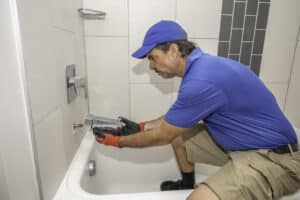
Testing your home’s fixtures is another non-invasive approach to water leak detection. Faucets, showerheads, and hose bibs are common culprits. By regularly checking these areas for drips or signs of corrosion, you can catch a leak early. This proactive step not only helps in conserving water but also in preventing larger, more costly repairs down the line.
Lastly, understanding how to read your water meter can be a game-changer in detecting hidden leaks. If the meter continues to change while all water is turned off, there’s likely a leak. Knowing when to call a professional is also key. If your DIY water leak detection efforts raise more questions than answers, it might be time to seek help. This blend of vigilance and knowledge is your best defense against the stealthy challenge of hidden water leaks.
Signs You Might Have a Hidden Water Leak
Recognizing the signs of a hidden water leak early can save you from future headaches and expenses. One common indicator is an unexpected spike in your water bill. This often means water is escaping somewhere it shouldn’t be. In San Diego, CA, where the sun beats down most days, a lush, unusually green patch in your yard could also signal a leak in the underground pipes.
Inside your home, peeling paint or wallpaper often whispers the presence of moisture behind the walls. You might also notice mold or a musty smell, especially in areas that should otherwise be dry. In La Jolla, CA, with its mix of climates, these signs can quickly develop if not addressed promptly. It’s crucial to keep an eye out for these subtle hints to catch leaks early.
Another tell-tale sign is the sound of water running when all taps are off. This could mean a continuous flow somewhere in your plumbing system. Checking under sinks and in the back of cabinets for any standing water can help pinpoint the issue. If you find any, it’s a clear sign that water leak detection efforts need to be ramped up.
Lastly, floors that feel spongy or soft underfoot can indicate a leak beneath them. This is particularly true in bathrooms and kitchens where pipes are abundant. Observing these areas for changes in flooring material can prevent major damage. When these signs appear, it might be time to call in a professional to ensure your home stays dry and damage-free.
Water Leak Detection: Using Your Water Meter
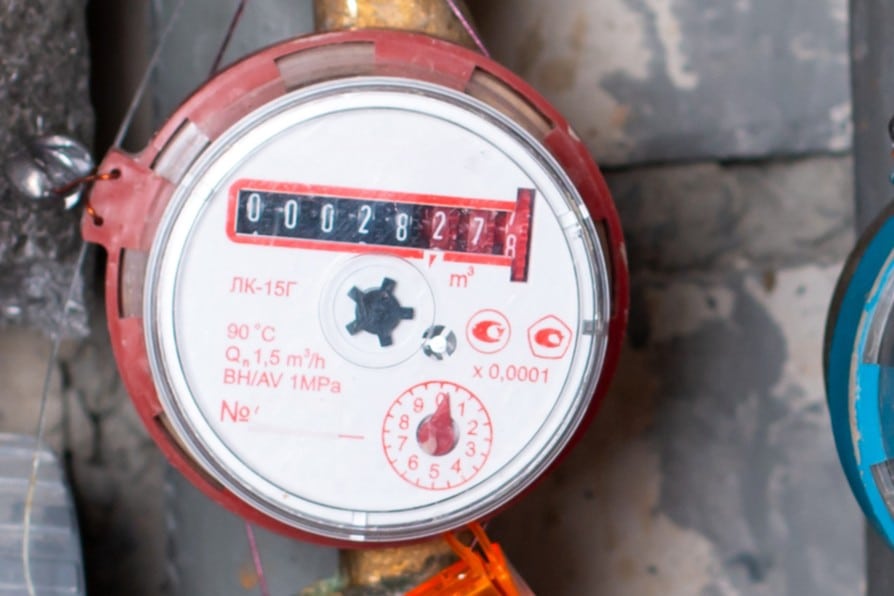
Water leak detection can often feel like a complex puzzle, especially when the signs are not immediately visible. However, your water meter serves as a crucial tool in this investigative process. By taking a closer look at it, you can uncover hidden leaks that are silently increasing your water usage. This method is particularly effective in San Diego, CA, where water conservation is essential due to the climate.
To start, ensure no water is being used inside or outside your home. Then, observe the meter’s leak indicator, if it’s moving, there’s likely a leak. This simple step doesn’t require any special tools or knowledge, making it accessible to anyone. It’s a straightforward way to confirm suspicions of a leak without having to call in a professional immediately.
For a more detailed investigation, take a reading, then avoid using any water for a couple of hours. When you check the meter again, if you see an increase in usage, it confirms a leak exists. This method is particularly useful in La Jolla, CA, where older homes might be more prone to hidden plumbing issues. It provides a clear indication of water loss, guiding your next steps.
When these efforts point to a leak, but you can’t find the source, it might be time to consult with a professional. They have the expertise and equipment to precisely locate and fix leaks, preventing further damage to your home. Remember, early water leak detection and repair can save significant amounts of water and money, making it a worthwhile endeavor for any homeowner.
How to Check Toilets and Faucets for Leaks
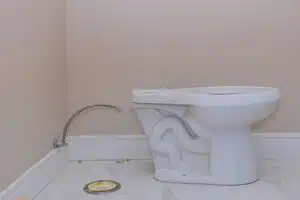
Toilets and faucets are often the culprits in the case of hidden water leaks, making them prime targets for your water leak detection efforts. In your bathroom, a simple test involves adding a few drops of food coloring to the toilet tank and waiting without flushing. If the color appears in the bowl, this indicates a leak that can waste a significant amount of water. This method is straightforward and effective, especially in homes in San Diego, CA, where water conservation is a priority.
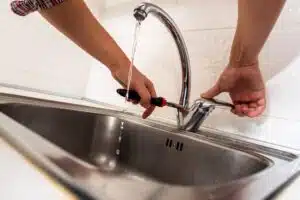
Faucets, on the other hand, require a different approach. Start by examining the faucet when it’s turned off, any drip or leak is a clear sign of a problem. Sometimes, the issue might be as simple as replacing a worn-out washer or O-ring, which can be done without professional help. Regular checks of faucets in kitchens and bathrooms can prevent minor leaks from turning into major issues, a particularly useful strategy in La Jolla, CA, where the mix of old and new homes can present unique challenges.
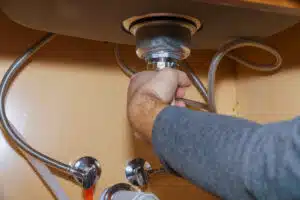
Another area to check is the base of the toilet and under sinks for any signs of moisture or water damage. If the floor feels damp or you notice a slight discoloration, it’s likely that water is escaping from somewhere. These signs are often overlooked but can indicate a slow leak that, over time, can cause significant damage and water loss. Promptly addressing these issues can save water and protect your home from more severe damage.
Finally, understanding how to fix common leaks in toilets and faucets can empower homeowners to tackle water leak detection proactively. For toilets, adjusting or replacing the flapper might be all that’s needed, while faucets often require new seals or cartridges. If these simple fixes don’t solve the problem, it’s wise to consult with a professional. Taking these steps not only helps in conserving water but also in maintaining the integrity of your home’s plumbing system.
Inspecting Appliances and Fixtures for Signs of Leakage
Inspecting appliances and fixtures for signs of leakage is a critical step in water leak detection. In San Diego, CA, the wear and tear on appliances such as washing machines, dishwashers, and water heaters can lead to unnoticed leaks. Regularly checking the hoses and connections for drips or moisture can prevent water waste. If you spot any signs of leakage, addressing them promptly can save both water and repair costs.
Another important area to check is your refrigerator, especially if it has an ice maker or water dispenser. The lines connecting these features can become loose or damaged, leading to leaks. A quick inspection behind and under the refrigerator can reveal hidden moisture that might otherwise go unnoticed. Catching these leaks early can keep your kitchen floor dry and prevent mold growth.
In La Jolla, CA, where humidity can exacerbate leak issues, checking the humidifier attached to your heating or cooling system is also wise. These units, if not properly maintained, can leak water into your system, causing damage over time. Regular maintenance checks can identify leaks early, ensuring your system runs efficiently without wasting water.
Finally, don’t overlook outdoor fixtures such as garden hoses, sprinkler systems, and outdoor faucets in your water leak detection efforts. A small drip from an outdoor faucet or a leak in a sprinkler line can significantly increase water usage over time. Inspecting these fixtures regularly for any signs of leakage can help maintain your home’s exterior and conserve water.
DIY Water Leak Detection Techniques
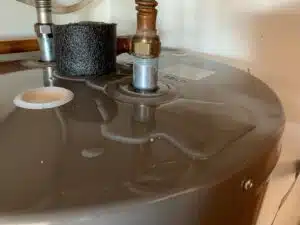
Engaging in DIY water leak detection can be an effective and straightforward way to ensure your home remains leak-free. One technique involves checking the pressure relief valve on your water heater, which can be done without any tools. If you hear hissing or see moisture, it’s a sign that there might be a leak. This method is particularly useful in San Diego, CA, where hard water can accelerate wear on appliances.
Another approach is to examine the walls and floors for any unusual warmth, which could indicate a hot water line leak. In La Jolla, CA, where homes are closely nestled together, this can help prevent damage not only to your property but also to neighboring structures. Using an infrared thermometer can make this process easier, quickly revealing areas that need closer inspection.
Additionally, monitoring your water usage is a proactive way to detect leaks. If your consumption seems unusually high despite normal use, it’s a clear indicator that water is escaping somewhere it shouldn’t be. This tactic requires no special equipment, just regular observation and comparison with past bills.
Finally, don’t underestimate the power of silence. Turning off all water-using appliances and fixtures, then listening for any sounds of dripping or running water can lead you to a leak’s location. This simple yet effective method can save you time and the expense of unnecessary repairs by catching leaks early.
The Role of Professional Water Leak Detection Services
While DIY methods for water leak detection can be effective, there comes a point where professional services become necessary. In San Diego, CA, specialists use advanced technology to locate leaks without causing damage to your property. Their equipment can detect moisture levels behind walls or under floors, pinpointing the exact location of a leak. This precision saves homeowners time and prevents further damage by accurately identifying the problem area.
Professionals in water leak detection also bring a level of expertise that goes beyond the average homeowner’s knowledge. In La Jolla, CA, for instance, older homes may have unique plumbing challenges that require an experienced eye. These experts can assess the situation quickly, understanding the nuances of various plumbing systems. Their experience ensures that they can not only find the leak but also recommend the best course of action to fix it.
Another advantage of hiring professionals is their ability to detect multiple leaks that might be overlooked by the untrained eye. Often, where there’s one leak, there might be others, especially in areas prone to corrosion or in older plumbing systems. Professionals use comprehensive methods to test the entire plumbing system, ensuring no leak is left undetected. This thorough approach helps to mitigate the risk of future leaks and the potential for water damage.
Lastly, enlisting the help of a professional can ultimately save money. While it might seem counterintuitive, early detection and repair of leaks by experts can prevent costly repairs down the line. By addressing leaks promptly and efficiently, homeowners can avoid the expenses associated with water damage restoration. This makes professional water leak detection services a wise investment for maintaining the health of your home’s plumbing system.

When to Call a Professional for Water Leak Detection
Knowing when to call a professional for water leak detection can be the difference between a quick fix and extensive damage. In San Diego, CA, homeowners might reach this point after exhausting all DIY methods without success. Professionals have the tools and expertise to locate leaks with precision, avoiding unnecessary damage to your home. Their ability to quickly identify and address leaks can save you time and prevent further complications.
In some cases, the complexity of your plumbing system might necessitate expert intervention. For instance, older homes in La Jolla, CA, often have unique plumbing challenges that are best handled by someone with specific experience. Professionals can assess these systems accurately, ensuring that all potential issues are addressed. Their knowledge extends beyond leak detection, offering solutions that are both effective and efficient.
Hiring a professional also becomes essential when dealing with multiple leaks or when a leak’s source remains elusive. They employ advanced techniques to test your entire plumbing system, ensuring no leak goes unnoticed. This thorough approach is invaluable, especially in areas with a history of water issues, as it guarantees all potential problems are identified and resolved.
Ultimately, investing in professional water leak detection services can be cost-effective in the long run. While it might seem like an additional expense, the expertise of a professional can prevent the high costs associated with ongoing leaks or water damage. By choosing to call in an expert at the right time, you ensure the health of your home’s plumbing system and avoid the pitfalls of unresolved water leaks.
Preventative Measures to Avoid Future Water Leaks
Adopting preventative measures is essential in ensuring your home stays leak-free, particularly in cities like San Diego, CA, where the climate can influence plumbing integrity. Regularly inspecting pipes and fixtures for signs of wear and tear can head off potential leaks before they start. It’s also wise to replace old or corroded materials with newer, more durable options. This proactive approach to water leak detection can save both water and money in the long run.
In areas like La Jolla, CA, the quality of your home’s plumbing system can greatly affect its susceptibility to leaks. Scheduling annual inspections with a plumbing professional can provide peace of mind and catch issues that might not be visible to the untrained eye. These experts can offer valuable advice on maintaining your plumbing system and preventing future leaks. Their guidance can be particularly beneficial in older homes where plumbing systems may be more fragile.
Another effective strategy involves monitoring your water bill for unexplained increases. A sudden spike in usage often signals a leak, prompting further investigation. By keeping an eye on your monthly bills, you can quickly identify and address leaks, reducing your water consumption and helping the environment. This simple habit is an easy way to contribute to water leak detection efforts in your household.
Lastly, educating yourself and your family about the importance of conserving water and preventing leaks can make a significant difference. Encouraging habits such as turning off taps tightly and reporting drips immediately can prevent minor issues from escalating. This collective effort not only aids in water leak detection but also fosters a culture of responsibility and conservation within your home, benefiting everyone in the long term.
Frequently Asked Questions
How to detect leaks in home plumbing?
Detecting leaks in your home plumbing can be straightforward. First, listen for the sound of running water when all taps are off. Next, check your water meter before and after a two-hour period with no water use. If it changes, there’s likely a leak. For more precise water leak detection, observe walls and floors for damp spots or discoloration. When these signs appear, it’s time to call a professional to pinpoint and fix the leak without damaging your home.
What are signs of a hidden water leak?
Hidden water leaks often reveal themselves through unusual signs. You might notice a sudden increase in your water bill, pointing to unseen water usage. Mysterious musty odors or mold growth in certain areas can also indicate moisture from leaks. Lastly, if you see peeling paint or warped floors, it’s likely water is causing damage from behind the scenes.
Can water leak detection be done DIY?
Yes, you can tackle water leak detection on your own with a few simple steps. Start by checking your home for any obvious signs of leaks, such as damp spots or discoloration on walls and floors. You can also read your water meter before and after a period of no use to spot any changes. However, if these methods don’t reveal the leak, it might be time to call in professionals from Paws Plumbing to ensure accurate detection and repair.
What tools are used for Water Leak Detection?
Professionals use various tools for water leak detection to avoid unnecessary damage. They often start with acoustic detectors, which listen for the sound of leaks within walls. Thermal imaging cameras are another key tool, highlighting areas of moisture that are invisible to the naked eye. For precise pinpointing, plumbers might use video pipe inspection equipment, allowing them to see inside pipes. These methods ensure accurate detection without tearing into walls or floors.
How accurate is Water Leak Detection without tearing walls?
Water leak detection without tearing walls can be highly accurate with the right tools. Professionals from Paws Plumbing use advanced equipment like thermal imaging cameras and acoustic detectors to pinpoint leaks. This technology allows them to find the exact location of a leak without any guesswork. As a result, homeowners can trust that the detection process is both precise and non-invasive.