
When your toilet tank refuses to refill, it might signal a need for toilet fill valve replacement. This common plumbing issue can disrupt your daily routine, especially in bustling homes across San Diego, CA. Understanding the signs of fill valve failure is the first step to restoring your bathroom’s functionality. Fortunately, diagnosing these problems and finding the right replacement parts can be straightforward with a bit of guidance.
Choosing the correct parts for a toilet fill valve replacement is crucial. Compatibility with your existing toilet model ensures a seamless repair process. Residents of Del Cerro, CA, and surrounding areas often face this challenge, but with the right information, selecting the appropriate components becomes much easier. This ensures that the repair not only fixes the immediate issue but also lasts long term.
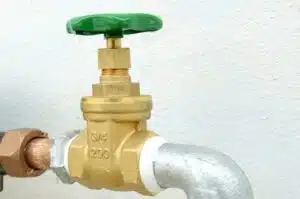
Safety is paramount when undertaking any plumbing task, including toilet fill valve replacement. Before starting, turning off the water supply and draining the tank can prevent unwanted spills and accidents. This preparation step is essential for a smooth toilet fill valve replacement process, protecting your home and providing peace of mind.
In conclusion, toilet fill valve replacement is a necessary skill for homeowners in San Diego, CA, and nearby communities like Del Cerro, CA. Recognizing the signs of failure, choosing compatible parts, and focusing on safety can make this DIY task manageable. With the right approach, restoring your toilet’s functionality can be both satisfying and straightforward.
Identifying Fill Valve Failure Symptoms
Identifying the symptoms of fill valve failure is a crucial step before proceeding with toilet fill valve replacement. One common sign is a toilet tank that takes too long to refill or doesn’t refill at all. This issue can cause inconvenience in any San Diego, CA, household, disrupting daily routines. Listening for unusual noises coming from the tank can also indicate that the fill valve might not be functioning properly.
Another symptom to watch out for is water running constantly into the toilet bowl, even when it’s not in use. This not only wastes water but can also lead to higher utility bills. In Del Cerro, CA, where water conservation is essential, addressing this issue promptly is crucial. A malfunctioning fill valve often causes this continuous flow, signaling it’s time for a replacement.
Sometimes, the toilet may exhibit erratic or weak flushing, pointing to a compromised fill valve. This can happen when the valve does not open fully to allow enough water into the tank. Such performance issues can frustrate homeowners, making it important to assess the fill valve’s condition. Replacing a faulty valve restores efficient flushing and water usage in your home.
Lastly, if adjusting the water level in the tank doesn’t fix these problems, the fill valve likely needs replacing. It’s a clear indication that the valve can’t regulate water flow correctly. Homeowners should consider this the final clue that a replacement is necessary. Taking action to replace the fill valve can swiftly bring your toilet back to optimal operation, ensuring peace of mind and functionality.
Toilet Fill Valve Replacement: Selecting the Right Parts
After identifying the need for a toilet fill valve replacement, the next step involves selecting the right parts for your toilet. It’s essential to match the replacement valve with your toilet’s model and brand. This ensures the new valve fits perfectly and operates efficiently. Homeowners in San Diego, CA, can find this information in their toilet’s user manual or by inspecting the existing valve for any model numbers.
Compatibility is key when choosing parts for a toilet fill valve replacement. Not all valves are universal, so paying attention to the specific requirements of your toilet is crucial. This might include the valve’s height, material, and mechanism type. Residents of Del Cerro, CA, will appreciate the importance of selecting the right parts to avoid water wastage and ensure a durable repair.
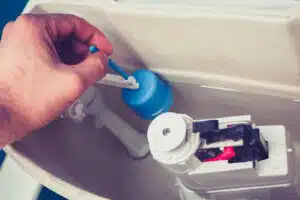
Installation of the new fill valve requires careful attention to detail. First, ensure the water supply is turned off and the toilet tank is empty. Then, follow the manufacturer’s instructions for installing the new valve. This process typically involves attaching the valve to the tank and connecting it to the water supply line, ensuring a secure and leak-free installation.
Finally, testing the new fill valve is an important step to confirm it’s working correctly. Once installed, slowly turn the water supply back on and observe the tank as it refills. Adjust the valve as necessary to achieve the correct water level in the tank. This final step guarantees your toilet fill valve replacement not only resolves the immediate issue but also contributes to the efficient and long-term operation of your toilet.
Tools Needed for a Toilet Fill Valve Replacement
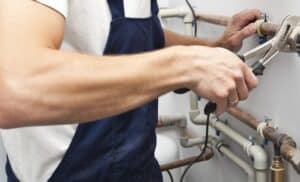
To embark on a toilet fill valve replacement, gathering the right tools is the first step toward a successful repair. Homeowners in San Diego, CA, will need a few basic items: an adjustable wrench, a pair of pliers, and a towel to catch any drips. These tools help in removing the old valve and securing the new one in place. Having the right tools on hand simplifies the process, ensuring a smooth and efficient replacement.
Before starting the toilet fill valve replacement, turning off the water supply and emptying the tank is crucial. This is where the adjustable wrench and pliers come into play. The wrench allows you to loosen the nuts that secure the fill valve to the toilet tank, while the pliers can be used to remove the water supply line. Performing these steps carefully prevents damage to the toilet and ensures a safe working environment.
Once the old valve is out, installing the new toilet fill valve is the next step. Position the new valve inside the tank, making sure it’s aligned correctly. Then, use the adjustable wrench to tighten the nuts and secure the valve in place. This step requires a delicate balance, tightening too much could crack the tank, while too little could lead to leaks.
Finally, reconnecting the water supply and testing the new fill valve ensures everything is working as it should. Slowly turn the water supply back on and watch as the tank begins to refill. Adjust the new valve as needed to achieve the correct water level. Residents of Del Cerro, CA, will find that a successful toilet fill valve replacement not only resolves the issue but also enhances the efficiency of their toilet’s flushing mechanism.
Step-by-Step Guide to Removing the Old Fill Valve
Starting with the removal of the old fill valve is a pivotal step in the toilet fill valve replacement process. First, ensure the water supply to the toilet is completely shut off to avoid any unexpected water flow. This precaution helps in creating a dry workspace, making it easier to manage the components inside the toilet tank. With the water supply halted, the tank should no longer refill, signaling it’s safe to proceed.
Next, detach the water supply line from the base of the old fill valve using pliers. This action requires a gentle yet firm grip to avoid damaging the line or valve. A towel placed underneath can catch any residual water, preventing spills on the bathroom floor. Removing this connection is crucial for freeing the old valve from its operational setup.
After disconnecting the water supply line, loosen the locknut that holds the fill valve to the toilet tank. An adjustable wrench is the best tool for this task, providing the leverage needed to turn the nut without applying excessive force. This step should be handled with care to avoid cracking the tank or damaging the valve. Once the locknut is removed, the old fill valve can be lifted out of the tank.
With the old valve removed, inspect the area for any debris or damage that could affect the installation of the new valve. Cleaning the opening where the fill valve was seated ensures a smooth surface for the new installation. This preparation is key to a successful toilet fill valve replacement, setting the stage for a secure and efficient setup. Following these steps carefully will lead to a successful toilet fill valve replacement, enhancing the functionality of toilets in homes across San Diego, CA, and Del Cerro, CA.
Installing the New Fill Valve: A Detailed Walkthrough
After removing the old valve and ensuring the area is clean, it’s time to position the new fill valve in the tank. Align it carefully according to the manufacturer’s instructions, which typically involve placing it at a specific height for optimal performance. This precision ensures that the toilet in your San Diego, CA, home operates efficiently, preventing future issues related to water flow or tank refilling.
Next, secure the new fill valve by tightening the locknut underneath the tank. Use an adjustable wrench for this task, but remember to apply just enough pressure to make it snug. Over-tightening could damage the tank, while too loose of a fit might cause leaks. This step is crucial for a leak-free installation, promising a smooth operation of your toilet’s refilling mechanism.
Now, reconnect the water supply line to the base of the new fill valve, using pliers for a firm attachment. This connection is vital for the water flow from the supply line into the toilet tank. A proper seal here prevents leaks, ensuring that residents in Del Cerro, CA, can rely on their toilets to function without issue. Double-check this connection to make sure it’s secure and leak-free before proceeding to the next step.
Finally, turn the water supply back on and observe the fill valve’s performance as the tank begins to refill. Adjust the valve if necessary to achieve the correct water level, following the guidelines provided with the valve. This adjustment ensures your toilet fill valve replacement not only solves the immediate problem but also enhances the efficiency of your toilet’s flushing system, providing peace of mind and reliability.
Testing and Adjusting the New Fill Valve
After installing the new fill valve, it’s crucial to test its functionality to ensure a successful toilet fill valve replacement. Slowly turn on the water supply and watch as the tank begins to refill. This step is essential for homeowners in San Diego, CA, aiming for an efficient and problem-free toilet. Observing the refill process helps identify any immediate issues, such as leaks or improper water flow.
If the water level in the tank does not reach the desired height, adjusting the new fill valve is necessary. Most fill valves come with an adjustment mechanism that allows you to control the water level. This adjustment ensures that your toilet flushes correctly, avoiding both under and overfilling. A correctly adjusted fill valve contributes to water conservation, an important consideration for residents in Del Cerro, CA.
During the testing phase, listen for any unusual noises that could indicate a problem with the installation. A properly installed fill valve should operate quietly and efficiently. If you hear hissing, gurgling, or water running continuously, double-check the connections and the adjustment settings. These sounds can signal a need for further tweaking to achieve optimal performance.
Finally, conduct a flush test to confirm the toilet operates as expected with the new fill valve in place. This test is the ultimate indicator of a successful toilet fill valve replacement. A smooth, efficient flush means the valve is correctly installed and adjusted. By following these steps, you ensure your toilet functions reliably, saving you from future disruptions and unnecessary water waste.
Tips for Maintaining Your Toilet Fill Valve
After successfully completing a toilet fill valve replacement, maintaining the new valve ensures it continues to function efficiently. Regular checks can prevent future issues, such as leaks or slow refills, that disrupt the daily routine of any household in San Diego, CA. It’s advisable to inspect the fill valve every few months for signs of wear or sediment buildup. Simple observations and minor adjustments can significantly extend the valve’s lifespan, offering peace of mind and reliability.
Cleaning the fill valve is also an essential maintenance step. Over time, water quality in areas like Del Cerro, CA, can cause mineral deposits to accumulate, potentially affecting the valve’s performance. Gently removing any buildup around the valve and its components can prevent blockages. This maintenance task ensures the smooth operation of your toilet, contributing to overall water conservation efforts.
Adjusting the water level in the tank as needed is another crucial aspect of maintaining your fill valve. Seasonal changes or updates to your home’s water pressure might necessitate slight adjustments to keep the toilet flushing efficiently. A correctly set water level prevents both under and overfilling, safeguarding against unnecessary water usage and ensuring the system works as intended.
Lastly, staying informed about your toilet’s overall health aids in early detection of potential fill valve issues. Listening for unusual noises or monitoring the refill rate after a flush can alert you to problems before they escalate. Taking proactive steps towards maintenance not only keeps your toilet in top condition but also avoids the need for frequent toilet fill valve replacements, saving time and resources for homeowners in San Diego, CA, and Del Cerro, CA.
When to Call a Professional for Toilet Fill Valve Issues
While tackling a toilet fill valve replacement can be a rewarding DIY project, there are instances when calling a professional becomes necessary. In San Diego, CA, homeowners might encounter complex issues beyond their expertise, such as persistent leaks after installation or problems with the water supply line. These situations require the skills of a seasoned plumber who can diagnose and resolve issues efficiently. Recognizing when to seek professional help can save time and prevent further damage to your plumbing system.
Sometimes, despite following all the right steps, the toilet may still not function as expected. If you’ve adjusted the fill valve and checked for leaks but the tank refuses to fill correctly, it might indicate a deeper problem. Professionals in Del Cerro, CA, have the tools and experience to uncover hidden issues, whether they’re related to the fill valve or other parts of the toilet. Their expertise ensures that every aspect of your toilet’s mechanism is functioning optimally.
There’s also the matter of convenience and guarantee. Professionals offer peace of mind through warranties on their work, ensuring that any recurring issues will be addressed without additional cost. This assurance is invaluable, especially for busy households that can’t afford repeated disruptions. Opting for professional toilet fill valve replacement means relying on someone who can get the job done right the first time, allowing you to focus on other priorities.
Lastly, safety should never be underestimated. Plumbing repairs can involve risks, from water damage to physical injury. Professionals are trained to handle these risks, ensuring that the job is done safely. They understand the precautions needed to protect your home and themselves during the repair process. When the task at hand poses potential safety concerns, it’s wise to entrust it to those who are prepared to tackle them effectively.

Toilet Fill Valve Replacement Frequently Asked Questions
What are signs of a failing toilet fill valve?
If your toilet tank isn’t refilling properly, it might be time for a toilet fill valve replacement. A constant, low humming noise from the tank is a common indicator of failure. Also, if water runs nonstop or the tank takes too long to refill, these are clear signs. Keeping an eye out for these issues can prevent bigger plumbing problems down the line.
How do you diagnose a tank refill issue?
To diagnose a tank refill issue, start by listening for unusual noises when the toilet is flushed. Check the water level in the tank to see if it’s too low. Inspect the fill valve for signs of wear or damage. Lastly, ensure the valve’s connection to the water supply line is secure and leak-free.
What tools are needed for toilet fill valve replacement?
For a toilet fill valve replacement, a few basic tools are needed. Start with an adjustable wrench to loosen and tighten connections. A pair of slip-joint pliers will also come in handy for gripping parts. Don’t forget a small bucket to catch any dripping water. Lastly, having some towels nearby to clean up spills can save you from a wet mess.
Can toilet fill valve replacement fix all refill issues?
A toilet fill valve replacement can solve many refill problems, but not all. Sometimes, issues stem from clogged supply lines or damaged flappers. It’s essential to correctly diagnose the problem before starting. This ensures the replacement effectively fixes the issue, restoring proper function to your toilet.
How often should you perform toilet fill valve replacement?
Toilet fill valve replacement isn’t needed on a strict schedule but rather as issues arise. Generally, these components last for several years before showing signs of wear. If you notice your toilet isn’t refilling correctly or makes unusual noises, it might be time for a new valve. Regular inspections can help catch problems early, ensuring your toilet functions smoothly.