
In San Diego, CA, homeowners often overlook the impact of cold groundwater on their water heating systems. As temperatures drop, the cold groundwater can significantly affect the performance and efficiency of water heaters. This change is especially noticeable during the colder months, when the demand for hot water in homes increases. Understanding this dynamic is crucial for maintaining comfort and managing energy costs.
Cold groundwater requires your water heater to work harder, which can lead to increased energy consumption. In cities like Poway, CA, where winter temperatures can cause a noticeable drop in groundwater temperature, this effect is even more pronounced. This can result in longer heating times and higher utility bills, a concern for many households aiming for energy efficiency. Recognizing the influence of cold groundwater is the first step toward addressing these challenges.
Furthermore, the efficiency of water heaters in transforming cold groundwater into hot water directly impacts household comfort. When the incoming water is colder, it takes longer to reach the desired temperature. This not only tests the patience of residents eager for a warm shower but also strains the water heating system over time. Consequently, the lifespan of water heaters in areas with colder groundwater may be shorter than expected.
Lastly, the performance of water heaters amidst colder groundwater conditions highlights the importance of being prepared. Homeowners in San Diego and Poway can benefit from understanding how cold groundwater affects their systems. This knowledge empowers them to take proactive measures, ensuring their households remain comfortable and their energy bills manageable, regardless of the season.
Understanding Cold Groundwater Basics
To grasp the full impact of cold groundwater on water heater performance, it’s essential to understand the basics of how water heaters operate. Essentially, these devices take in groundwater, heat it to a set temperature, and then distribute it throughout your home for various uses. In warmer climates, like San Diego, CA, the difference between the groundwater temperature and the desired hot water temperature is generally smaller. This means water heaters require less energy to bridge the temperature gap.
However, during colder seasons, the temperature of the incoming groundwater can drop significantly. This colder water, found in places like Poway, CA, during winter, forces water heaters to expend more energy and operate for longer periods. The increased energy use is not just about higher bills, it’s also a matter of sustainability. Homes aiming for energy efficiency need to consider the effects of cold groundwater on their systems.
Moreover, the time it takes for water to heat up to the desired temperature increases as the groundwater gets colder. This delay can be frustrating for residents waiting for a hot shower and can also signal that the water heater is under more stress than usual. Over time, this added strain can reduce the overall lifespan of the appliance, making early replacements more likely.
Understanding these basics helps homeowners recognize the importance of preparing for the colder months. Simple steps, such as insulating water pipes or considering water heater upgrades, can mitigate the effects of cold groundwater. By addressing these challenges proactively, households in San Diego and Poway can enjoy consistent comfort and manage their energy costs effectively, regardless of the season.
How Cold Groundwater Impacts Heating Time
Cold groundwater significantly impacts the time it takes for water heaters to warm up water, especially noticeable in colder seasons. In San Diego, CA, homeowners may find their morning routines delayed as they wait longer for hot water. This is because the water heater must work harder and longer to increase the water temperature to a comfortable level. As a result, not only does the wait time for hot water increase, but so does the energy consumption.
The effect of cold groundwater on heating time is more acute in areas like Poway, CA, where winter temperatures can drop significantly. Here, the gap between the groundwater temperature and the desired hot water temperature widens, requiring even more energy. This increased demand on the water heater can lead to wear and tear over time, potentially shortening its lifespan. Consequently, residents may face more frequent maintenance or replacement issues.
Adapting to the challenges posed by cold groundwater involves understanding its impact on water heating systems. Homeowners can take measures such as insulating their water pipes to reduce heat loss and improve efficiency. Such steps help in mitigating the prolonged heating time caused by cold groundwater. By doing so, they not only enhance their comfort but also contribute to the sustainability of their home’s energy use.
Ultimately, the key to managing the effects of cold groundwater lies in preparation and awareness. By recognizing the potential delays in heating time during colder months, homeowners can plan accordingly. Whether it’s adjusting morning routines or upgrading water heating systems, small changes can make a big difference. This proactive approach ensures that households in San Diego and Poway maintain their comfort while keeping energy costs in check.
The Science Behind Water Heaters and Cold Groundwater
Understanding the science behind water heaters and cold groundwater sheds light on why water heating systems in areas like San Diego, CA, face increased demands during colder months. When cold groundwater enters the system, the water heater must expend more energy to raise its temperature to the set level. This process is less energy-efficient and takes more time, highlighting the need for systems that can efficiently manage colder water. Such knowledge helps homeowners appreciate the complexity of heating cold groundwater and the importance of efficient water heater operation.
In regions experiencing significant drops in groundwater temperature, like Poway, CA, the challenge becomes more pronounced. The water heater’s task is to compensate for the larger temperature difference, requiring it to work even harder. This not only increases energy consumption but also puts additional strain on the water heater, potentially reducing its lifespan. Being aware of these dynamics allows homeowners to consider solutions that can mitigate these effects, such as system upgrades or maintenance checks.
Innovations in water heating technology offer promising solutions to the challenges posed by cold groundwater. Modern water heaters are designed with efficiency in mind, capable of heating water more quickly and with less energy, even when the incoming water is very cold. These advancements mean that homeowners have options to enhance their system’s performance, ensuring that the demand for hot water is met without undue delay or excessive energy use.
Ultimately, the relationship between cold groundwater and water heater performance underscores the importance of choosing the right system for your home. By understanding how cold groundwater affects heating efficiency and time, homeowners can make informed decisions about their water heating needs. This proactive approach not only improves household comfort but also contributes to energy conservation, making it a win-win for both the environment and residents.
Energy Efficiency and Cold Groundwater Challenges
Cold groundwater presents a unique challenge to energy efficiency in water heaters. As the temperature of the incoming water drops, the energy required to heat it to a comfortable level increases. This is particularly noticeable in areas like San Diego, CA, where homeowners might not be accustomed to the drastic changes in groundwater temperature during the colder months. Consequently, this can lead to higher energy consumption, underscoring the need for efficient water heating solutions.
In response to these challenges, many seek ways to enhance their water heater’s efficiency. Insulating water pipes is a straightforward yet effective strategy to reduce heat loss as water travels from the heater to the tap. Additionally, residents of Poway, CA, might consider periodic maintenance checks to ensure their system is operating at peak efficiency. These steps can significantly mitigate the impact of cold groundwater on energy consumption.
Moreover, the adoption of advanced water heating technologies offers a promising solution. Modern systems are designed to be more efficient, capable of heating water quickly despite the lower temperatures of cold groundwater. This innovation ensures that households can enjoy the comfort of hot water without the burden of excessive energy bills. It’s a testament to how technology can adapt to meet the challenges posed by natural conditions like cold groundwater.
Ultimately, understanding the relationship between cold groundwater and water heater efficiency is crucial for homeowners looking to manage their energy use effectively. By taking proactive measures, such as upgrading to more efficient systems and implementing simple improvements like pipe insulation, they can overcome these challenges. This not only leads to a more comfortable home environment but also contributes to broader energy conservation efforts, benefiting everyone in the long run.
Strategies to Mitigate Cold Groundwater Effects
Adopting strategies to counteract the effects of cold groundwater on water heaters is essential for maintaining energy efficiency and household comfort. One effective method is installing tankless water heaters. Unlike traditional models, tankless units heat water on demand, significantly reducing the energy wasted in heating large volumes of water. This approach is particularly beneficial in San Diego, CA, where the difference in temperature between cold groundwater and hot water needs is substantial.
Another practical strategy involves the use of water heater blankets. These specially designed blankets wrap around the water heater, providing an additional layer of insulation. This simple yet effective solution helps retain heat within the unit, making it easier and quicker for the water to reach the desired temperature. Homeowners in Poway, CA, will find this an affordable way to enhance their system’s efficiency, especially during the colder months when the impact of cold groundwater is most noticeable.
Regular maintenance checks also play a crucial role in mitigating the effects of cold groundwater. By ensuring that the water heating system is in optimal condition, homeowners can prevent potential issues before they escalate into costly repairs. This includes checking for any signs of wear and tear, as well as flushing the system to remove sediment buildup, which can affect the heater’s performance and efficiency.
Lastly, upgrading to more energy-efficient models is a forward-thinking solution for dealing with cold groundwater. New water heaters come with advanced features designed to handle lower incoming water temperatures more effectively. Investing in such technologies not only reduces the strain on the system caused by cold groundwater but also contributes to long-term savings on energy bills, making it a wise choice for residents looking to improve their home’s energy efficiency.
Insulation Techniques for Enhanced Performance
When it comes to tackling the challenges posed by cold groundwater, incorporating insulation techniques can significantly boost a water heater’s performance. In San Diego, CA, homeowners can benefit from insulating their hot water pipes. This method effectively reduces heat loss as water moves through the system, ensuring that less energy is required to maintain the desired temperature. Such a straightforward adjustment can make a noticeable difference in both energy consumption and comfort levels during colder months.
Another impactful insulation strategy involves the water heater tank itself. For those residing in Poway, CA, adding an insulation blanket around the water heater tank can be a game-changer. This extra layer of insulation helps maintain the water’s heat, reducing the need for the system to continuously reheat the water. It’s a cost-effective solution that addresses the direct impact of cold groundwater by keeping the water warmer for longer periods.
Beyond external insulation, considering the installation of anti-condensation liners for both the water heater and pipes offers an additional defense against cold groundwater. These liners prevent the formation of condensation, which can lead to heat loss and inefficiency. By keeping the system dry and insulated, homeowners can enhance the overall efficiency of their water heating system, ensuring it operates smoothly even when faced with colder groundwater temperatures.
Lastly, integrating smart technology into water heating systems presents a modern solution to the age-old problem of cold groundwater. Smart thermostats and self-regulating heating elements can automatically adjust the energy output based on the temperature of the incoming water. This means that the system uses only the necessary amount of energy to achieve the desired water temperature, optimizing performance and minimizing waste. Adopting these advanced insulation and technology measures can lead to significant improvements in water heater efficiency and household comfort.
Seasonal Tips for Water Heater Maintenance
As the seasons change, so does the temperature of the cold groundwater, making it crucial for residents in San Diego, CA, to adapt their water heater maintenance routines. During colder months, inspecting your water heater for any signs of wear or damage becomes even more important. This regular check-up can identify potential issues early, preventing the cold groundwater from causing unnecessary strain on your system. Ensuring your water heater is in top condition can significantly improve its efficiency and longevity.
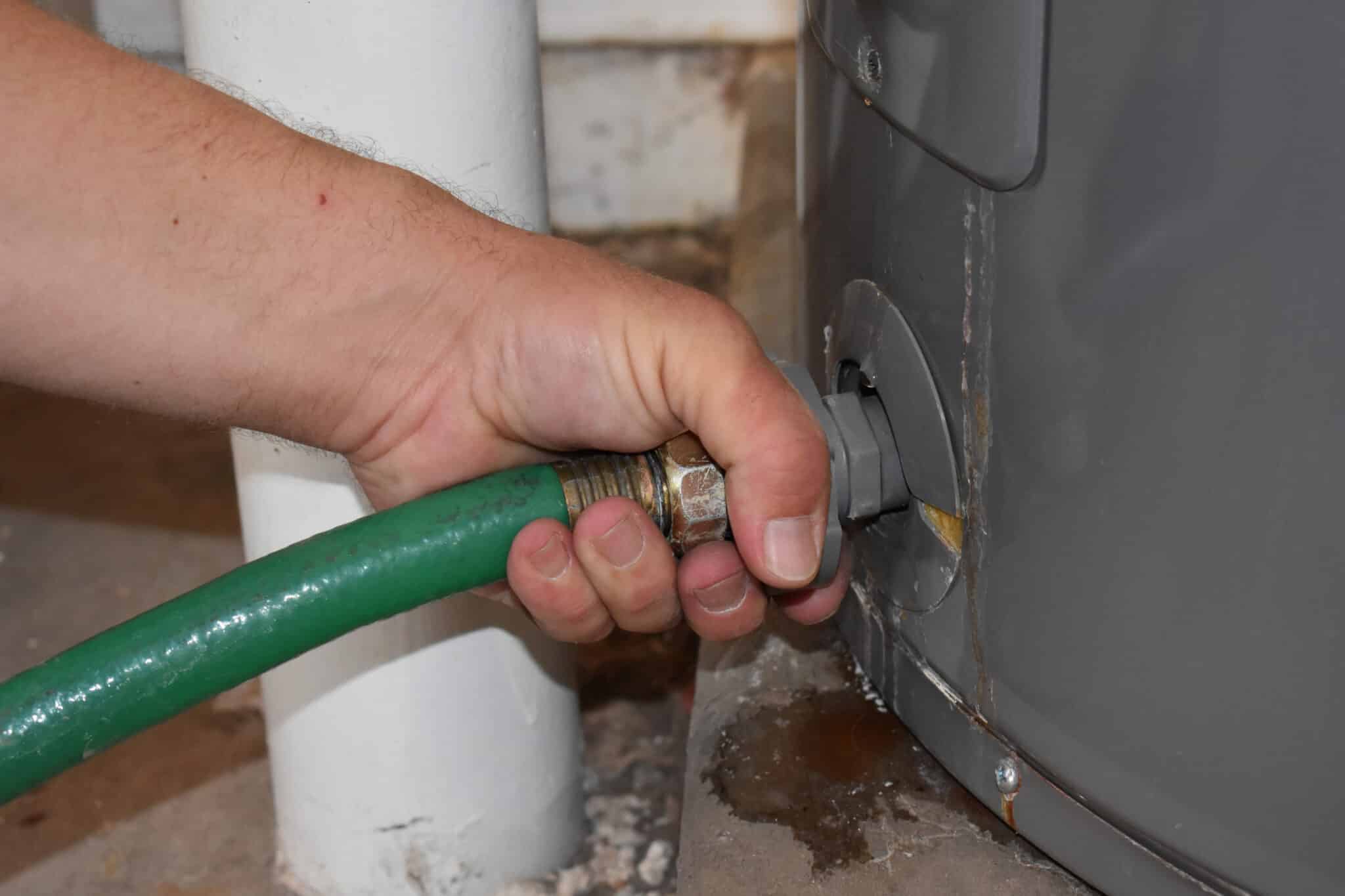
In Poway, CA, flushing the water heater at least once a year is a recommended practice to combat the effects of cold groundwater. Sediment buildup in the tank can insulate the water from the heater’s burners, making it harder to warm up the cold groundwater. A simple flush can clear out this sediment, allowing your water heater to heat water more efficiently. This maintenance step is especially beneficial before entering the winter season, preparing your system to face the colder groundwater head-on.
Adjusting the temperature setting on your water heater can also make a big difference in how well it copes with cold groundwater. Lowering the temperature in the summer and raising it slightly in the winter can help your system manage the temperature of the incoming water more effectively. This adjustment ensures that your water heater does not overwork itself, maintaining a balance between energy efficiency and comfort. It’s a simple tweak that can yield noticeable savings on your energy bills.
Lastly, considering the installation of a water heater timer can offer a smart solution to managing the demand on your system caused by cold groundwater. By setting the timer to warm up your water just before peak usage times, you can ensure that your water heater operates more efficiently. This approach not only reduces the energy consumption but also prevents the system from constant cycling, which is often exacerbated by the colder groundwater temperatures. Implementing these seasonal maintenance tips can help your water heater perform optimally all year round.
Evaluating Water Heater Options for Cold Climates
When evaluating water heater options for cold climates, understanding the impact of cold groundwater becomes pivotal. In San Diego, CA, selecting a water heater that’s designed to efficiently manage colder incoming water can lead to significant energy savings. Homeowners should look for models with high energy ratings and advanced features like built-in insulation. These systems are better equipped to handle the challenges posed by cold groundwater, ensuring consistent hot water supply.
In areas like Poway, CA, where the groundwater temperature can drop considerably, opting for a water heater with a rapid recovery rate is advisable. Such units are capable of quickly heating up cold groundwater, minimizing the wait time for hot water. This feature is particularly beneficial during peak usage times, helping to maintain household comfort without sacrificing energy efficiency. Rapid recovery water heaters provide a practical solution to the demands of colder climates.
Another aspect to consider is the capacity of the water heater. Larger units may seem like a good choice to combat cold groundwater, but they can also lead to unnecessary energy consumption. Instead, calculating the household’s hot water needs and selecting a size that matches those requirements can optimize performance. This approach ensures that the water heater operates efficiently, even when faced with colder groundwater temperatures.
Lastly, integrating smart technology into the water heater system offers a modern way to enhance efficiency in cold climates. Smart water heaters can adjust heating elements based on the temperature of the incoming groundwater, optimizing energy use. Such technology allows for precise control over water heating processes, adapting to the specific challenges presented by cold groundwater. By choosing a water heater with these advanced capabilities, homeowners in cold climates can enjoy both comfort and efficiency.
Frequently Asked Questions
What is cold groundwater?
Cold groundwater is water found beneath the earth’s surface that remains cool year-round. This water enters our homes for various uses, including bathing and cooking. During colder months, its temperature drops further, impacting water heaters. This change requires heaters to work harder, affecting both energy efficiency and household comfort.
How does cold groundwater impact heating costs?
Cold groundwater makes water heaters work harder to reach desired temperatures. This increased effort boosts energy use, leading to higher heating costs. Especially in colder months, the effect on your bills can be significant. Keeping your system efficient helps mitigate these impacts, ensuring comfort without overspending.
Can water heaters adjust to cold groundwater?
Water heaters are designed to adapt to varying temperatures, including cold groundwater. By automatically increasing their heating action, they ensure water reaches the set warmth. However, this adjustment can lead to more energy use. Regular maintenance helps them stay efficient despite these challenges.
What are signs of water heater strain?
If your water heater struggles with cold groundwater, you might notice a few key signs. First, it may take longer for your water to get hot, delaying showers and chores. You could also hear unusual noises, like banging or rumbling, from the heater working overtime. Lastly, an increase in your energy bills indicates the system is using more power to combat the cold. Keeping an eye out for these symptoms can help you address issues promptly.
How to improve water heater efficiency?
Improving your water heater’s efficiency starts with regular maintenance, such as flushing out sediment buildup. Wrapping it in an insulation blanket helps retain heat, reducing the effort needed to warm cold groundwater. Lowering the thermostat setting can also decrease energy use without sacrificing comfort. Lastly, installing low-flow fixtures in showers and sinks minimizes hot water use, easing the load on your heater.