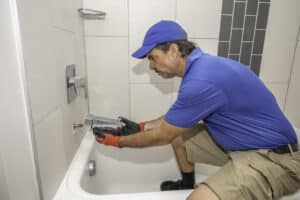

Discovering a toilet supply line leak in your San Diego, CA home can be a frustrating ordeal. It’s a common issue that residents face, often leading to unexpected water damage if not addressed promptly. Understanding the causes and knowing how to prevent such leaks can save homeowners time and money. This article aims to shed light on these aspects, providing valuable insights for quick fixes and long-term solutions.
When it comes to toilet supply line leaks, the choice between braided and PVC lines is crucial. Each type has its advantages and disadvantages, influencing their susceptibility to leaks. Braided lines are known for their durability and flexibility, while PVC options are cost-effective and easy to install. Making the right choice can significantly impact the likelihood of encountering a toilet supply line leak.
Preventive measures are key to avoiding the inconvenience of a toilet supply line leak. Regular inspections and maintenance can identify potential issues before they escalate. Homeowners in Poway, CA, and surrounding areas can benefit from being proactive, ensuring their plumbing systems remain in top condition. Simple steps can make a big difference in preventing leaks and the associated damages.
For those who find themselves dealing with a toilet supply line leak, knowing quick fix options can be a lifesaver. While some situations may require professional intervention, there are immediate actions that can minimize damage. From shutting off the water supply to replacing faulty components, being prepared can help manage the situation effectively until a permanent solution is implemented.
Understanding the Causes of Toilet Supply Line Leaks
Understanding the causes of a toilet supply line leak is essential for homeowners in San Diego, CA. Often, these leaks stem from wear and tear over time, leading to the deterioration of the supply line material. Factors such as water pressure fluctuations and corrosion can also contribute to the weakening of the line. Recognizing these causes early on can prevent a small issue from turning into a significant problem.
Choosing between braided and PVC supply lines is a critical decision that impacts the likelihood of leaks. Braided lines, with their superior flexibility, can better withstand water pressure changes and resist kinking, a common cause of leaks. On the other hand, PVC lines, while more affordable, may become brittle over time, especially in areas with varying temperatures like Poway, CA. This brittleness can increase the risk of cracking and, subsequently, leaking.
Preventive measures are invaluable in maintaining the integrity of your plumbing system. Regularly checking the condition of your toilet supply line can catch early signs of wear or damage. Homeowners should consider replacing their supply lines every 5-8 years, or immediately if signs of wear are evident. This proactive approach can save a lot of hassle and expense by preventing potential leaks before they occur.
For those unexpected moments when a leak does occur, knowing how to respond quickly can minimize water damage. Immediately shutting off the water supply to the toilet can prevent further leakage. Inspecting the supply line for visible damage can help identify whether a simple tightening of connections or a complete replacement is needed. Until professional help arrives or a permanent fix is applied, these quick actions can be crucial in managing a toilet supply line leak.
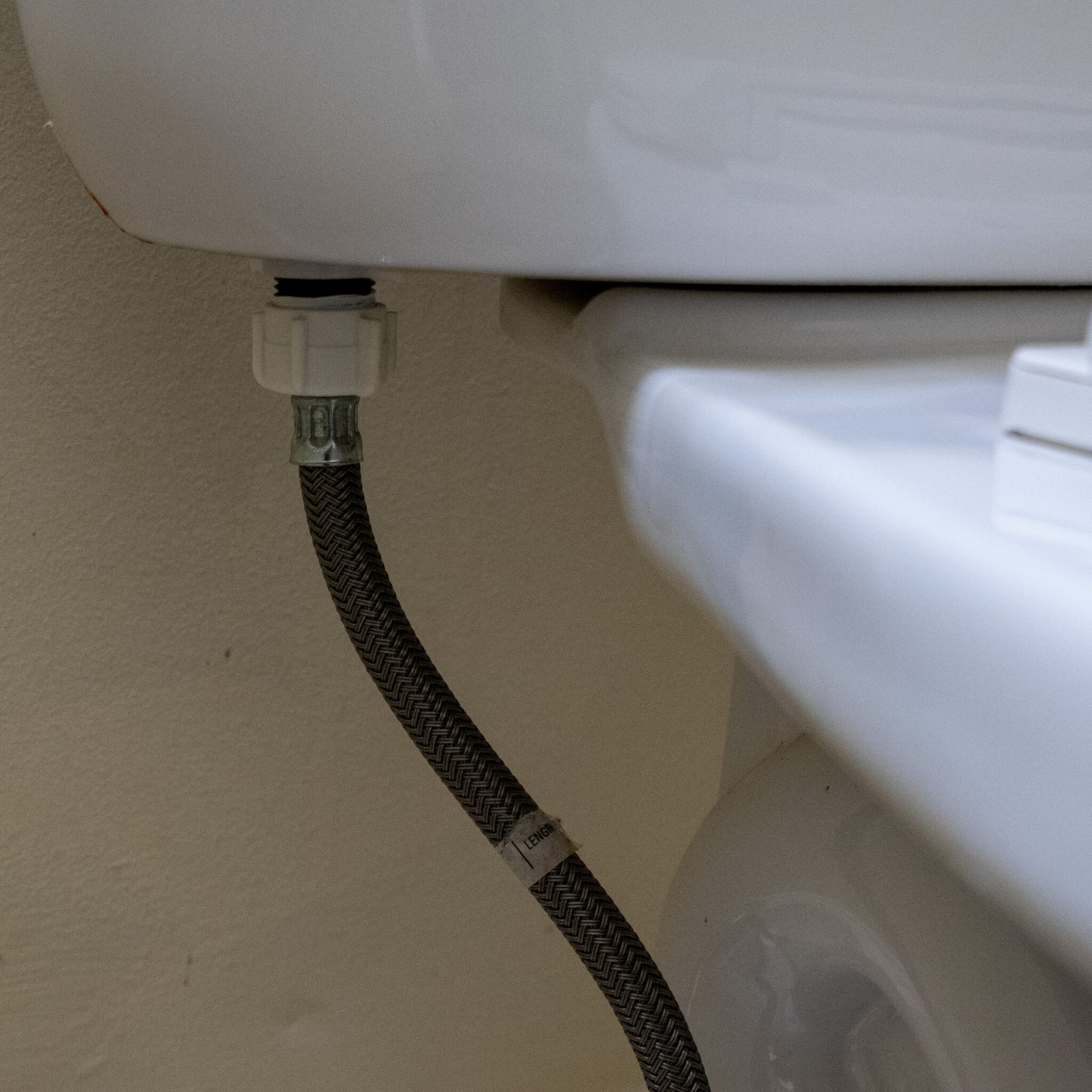
Braided vs. PVC: Choosing the Right Supply Line
When it comes to preventing a toilet supply line leak, choosing the right type of supply line is crucial. Homeowners in San Diego, CA, often weigh the benefits between braided and PVC lines. Braided lines offer enhanced durability and flexibility, making them less prone to leaks caused by physical stress. On the other hand, PVC lines are appealing for their affordability and ease of installation, despite being more susceptible to temperature-related damage.
Understanding the specific advantages of braided supply lines can guide homeowners toward making an informed decision. These lines are designed to withstand high water pressure and resist kinks, which are common causes of leaks. Their stainless steel or nylon braiding adds an extra layer of protection against physical damage. This makes them an excellent choice for areas with fluctuating water pressure or where the supply line is exposed to movement.
Conversely, PVC supply lines have their own set of benefits that might suit different needs. They are particularly favored for their cost-effectiveness and straightforward installation process. However, homeowners should be aware that PVC lines can become brittle over time, especially in climates with wide temperature variations. Regular inspections are recommended to catch any signs of wear or damage early, preventing potential leaks.
In conclusion, both braided and PVC supply lines have their roles in preventing toilet supply line leaks. The choice between them should be based on a homeowner’s specific needs, considering factors like budget, climate, and the plumbing system’s layout. By selecting the appropriate type and conducting regular maintenance, residents of Poway, CA, and beyond can significantly reduce the risk of facing a disruptive toilet supply line leak.
Signs Your Toilet Supply Line Needs Attention
Spotting the signs that your toilet supply line needs attention can prevent a minor issue from escalating into a significant problem. If you notice water pooling around the base of your toilet or hear a hissing sound when the toilet is not in use, it’s time to investigate. These indicators often point towards a leak in the supply line, requiring immediate action. San Diego, CA, residents who catch these signs early can save themselves from the hassle and expense of water damage repairs.
Another telltale sign is a noticeable drop in water pressure when flushing the toilet, which could suggest a leak in the supply line. This symptom might be subtle at first but becomes more apparent as the leak worsens. Regularly checking for dampness or water stains on the walls or floor near your toilet can also reveal hidden leaks. Addressing these signs promptly can prevent the need for extensive plumbing repairs in Poway, CA.
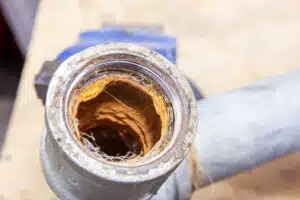
Changes in water quality, such as rust-colored water coming from your toilet, can also indicate a problem with your toilet supply line. This issue often points to corrosion within the line, especially in older homes with metal pipes. Replacing corroded supply lines with newer, more durable materials can enhance the longevity of your plumbing system. Taking action at the first sign of water quality issues can protect your home from further damage.
Finally, an increase in your water bill without a corresponding increase in usage should raise a red flag. This unexpected spike can often be traced back to a leak in the toilet supply line. Homeowners should consider this a prompt to conduct a thorough inspection of their toilet’s plumbing. Catching and fixing a toilet supply line leak early can lead to significant savings on water bills and prevent unnecessary water waste.
Preventing Toilet Supply Line Leaks: Tips and Tricks
Preventing a toilet supply line leak requires a proactive approach, especially in homes across San Diego, CA. Regularly inspecting the supply line for any signs of wear or damage can catch issues before they escalate. Homeowners should also make it a habit to check for kinks or bends in the line that could lead to a breach. By taking these simple steps, the risk of leaks can be significantly minimized, safeguarding the home from potential water damage.
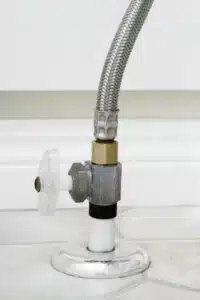
Another effective strategy is to install an emergency shutoff valve for the toilet. This addition allows homeowners to quickly cut off the water supply at the first sign of a leak, preventing further water from spilling out. It’s a straightforward measure that can save a lot of trouble, giving you time to address the issue without the stress of ongoing leakage. Incorporating this valve into your plumbing system offers peace of mind and an added layer of protection against water damage.
In areas like Poway, CA, where temperature fluctuations can affect plumbing, insulating your toilet supply line is a wise move. Insulation helps protect the line from extreme temperatures, reducing the risk of it becoming brittle and cracking over time. This is particularly important for PVC lines, which are more susceptible to temperature-related damage. A small investment in insulation can extend the life of your supply lines, ensuring they remain functional and leak-free for years to come.
Lastly, replacing old or outdated supply lines with new, high-quality materials can prevent future leaks. If your supply line is over five years old or made from materials prone to corrosion, consider upgrading to a braided or high-grade PVC line. These materials are more resistant to wear and can withstand the pressures of daily use better than older types. Regular updates to your plumbing system can keep it running smoothly, avoiding the inconvenience and expense of a toilet supply line leak.
Step-by-Step Guide to Fixing a Toilet Supply Line Leak
Discovering a toilet supply line leak in your home can be daunting, but with the right approach, you can fix it yourself. First, locate the shutoff valve near the toilet and turn it off to stop water flow. This immediate action prevents further water damage and gives you a clear area to work. Ensuring the water is off is crucial before proceeding to the next step.
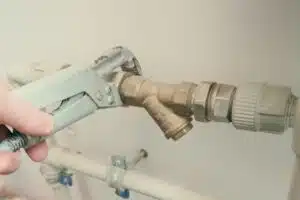
Next, examine the supply line closely to identify the source of the leak. If the leak is at a connection point, tightening it with a wrench might be all that’s needed. For leaks in the line itself, removing the faulty section is necessary. Remember, wearing gloves and keeping a towel handy can help manage any residual water.
If replacement is required, measure the length of the line you need and head to your local hardware store. Opt for a braided or high-grade PVC line, as these materials offer durability and flexibility. When installing the new line, ensure the connections are secure but not overtightened, as this could cause new leaks. Double-checking your work can save you from future issues.
Finally, turn the water supply back on and observe the repaired area for any signs of leakage. If everything remains dry, you’ve successfully fixed the toilet supply line leak. Regular maintenance and prompt action at the first sign of trouble can prevent leaks from happening again. Remember, residents in San Diego, CA, and Poway, CA, face unique plumbing challenges, so staying proactive is key to avoiding plumbing problems.
The Role of Professional Plumbers in Leak Prevention
While tackling a toilet supply line leak may seem straightforward, the expertise of professional plumbers plays a crucial role in ensuring long-term solutions. These experts bring a wealth of experience to diagnose underlying issues that might not be immediately apparent to homeowners. In San Diego, CA, where local water quality and pressure can vary, a professional’s insight can prevent recurring problems. Their ability to identify and fix not just the symptom but the cause of leaks makes their service invaluable.
Professional plumbers also offer preventive maintenance services that can save homeowners from future headaches. Regular inspections by a trained eye can spot potential problems before they escalate into a full-blown toilet supply line leak. In areas like Poway, CA, where environmental factors can affect plumbing, this preventive approach is particularly beneficial. It ensures that supply lines remain in optimal condition, reducing the risk of unexpected leaks.
Moreover, when it comes to choosing between braided and PVC supply lines, professional plumbers can offer personalized advice based on a home’s specific needs. Their recommendations take into account factors such as local water conditions, the age of the plumbing system, and the household’s water usage patterns. This tailored advice helps homeowners make informed decisions, selecting materials that offer both durability and cost-effectiveness.
Lastly, in the event of a leak, professional plumbers can implement quick fixes that stand the test of time. Unlike temporary solutions that might fail under pressure, the repairs made by professionals ensure that the same issue doesn’t recur. Their use of high-quality materials and adherence to industry best practices not only fixes the toilet supply line leak but also enhances the overall integrity of the plumbing system.
When to Replace Your Toilet Supply Line
Knowing when to replace your toilet supply line is crucial in preventing a toilet supply line leak. In San Diego, CA, homes, the wear and tear on plumbing systems can make older supply lines more susceptible to leaks. If your supply line is more than five years old or shows any sign of damage, it’s time for an update. Choosing a high-quality braided or PVC line can significantly reduce the risk of future leaks.
Regular inspections play a key role in identifying when a replacement is necessary. Homeowners should look for signs of corrosion, brittleness, or any visible damage along the supply line. In Poway, CA, where temperature fluctuations can affect plumbing materials, checking for these signs becomes even more important. Catching these issues early can prevent a small problem from turning into a major leak.
Another factor to consider is the material of your current supply line. While both braided and PVC lines have their advantages, your choice might change based on new products or technologies that offer better protection against leaks. Consulting with a professional can provide insights into the most reliable materials available, ensuring your plumbing system remains efficient and leak-free.
Ultimately, replacing your toilet supply line at the right time is a proactive measure that can save you from the inconvenience and costs associated with a toilet supply line leak. By staying vigilant and opting for quality materials, you can ensure your plumbing system’s longevity and reliability. This approach not only protects your home from water damage but also offers peace of mind knowing your supply line is up to date and in good condition.
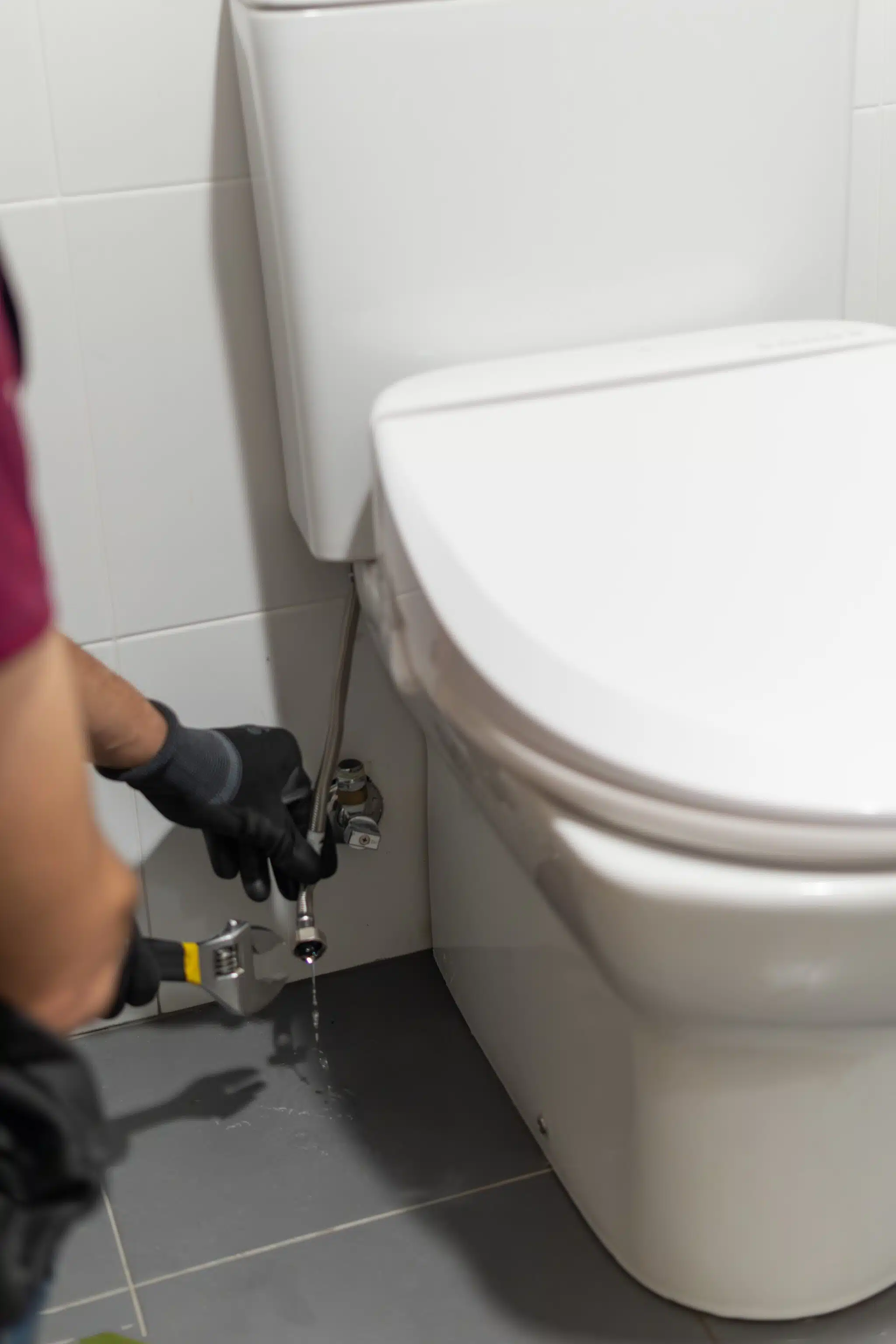
Essential Tools for Handling a Toilet Supply Line Leak
Handling a toilet supply line leak effectively requires having the right tools at your disposal. A wrench is indispensable for tightening connections that may have loosened over time. Homeowners in San Diego, CA, find that a good quality adjustable wrench can make a big difference in sealing a leak quickly. Additionally, having Teflon tape on hand is crucial for creating water-tight seals on threaded joints, preventing future leaks.
Another essential tool for dealing with a toilet supply line leak is a pipe cutter. This tool allows for clean cuts when a section of the supply line needs to be removed and replaced. It’s especially useful in Poway, CA, where older plumbing systems might require more frequent updates. A pipe cutter ensures that the new section of pipe fits perfectly, eliminating potential leak points.
Plumbers’ putty is also a must-have for any repair kit. It’s designed to seal areas around fittings and fixtures, providing an extra layer of leak protection. When applied correctly, it can prevent water from escaping at connection points, making it a quick fix for minor leaks. This putty is easy to mold and apply, making it ideal for quick repairs until a more permanent solution is implemented.
Lastly, a bucket and towels are practical tools that homeowners often overlook. They’re essential for catching water and minimizing damage when a leak occurs. Having these items ready can save valuable time and reduce water damage, allowing for a cleaner and more efficient repair process. Together, these tools equip homeowners to tackle a toilet supply line leak confidently, ensuring their plumbing remains in top condition.
Frequently Asked Questions
What causes a toilet supply line leak?
A toilet supply line leak often starts with wear and tear on the line itself. Over time, the materials can weaken, especially in older installations. Factors like water pressure fluctuations and corrosion also contribute to leaks. Regular checks and maintenance can help spot these issues early, preventing water damage.
How do I prevent toilet supply line leaks?
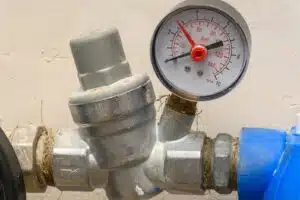
To prevent toilet supply line leaks, regularly inspect your plumbing for signs of wear or damage. Choose durable materials like braided lines over PVC for longer life. Installing a water pressure regulator can also protect against leaks by keeping pressure levels stable. Finally, replacing old or worn-out supply lines before they fail helps avoid leaks and water damage.
Can a plumber fix a leak quickly?
Yes, a plumber can swiftly address a toilet supply line leak. They have the tools and expertise to diagnose the issue quickly. After identifying the problem, they can either repair or replace the damaged part. This fast response helps prevent further water damage and restores your plumbing’s functionality efficiently.
What are signs of a leaking supply line?
Spotting a toilet supply line leak early can save you from water damage. Look for water pooling around the toilet base as a clear indicator. Another sign is a noticeable drop in water pressure when flushing. Lastly, if you hear hissing or dripping sounds near the toilet, it’s likely you have a leak.
Are there DIY fixes for a supply line leak?
Yes, you can tackle a toilet supply line leak on your own with a few steps. First, turn off the water to prevent more leaking. Then, tighten the connections at both the toilet and supply valve with a wrench. If that doesn’t stop the leak, replacing the supply line might be necessary. Remember, these quick fixes can buy time, but checking with a professional ensures a long-term solution.