
Experiencing a decrease in shower flow can be both frustrating and puzzling, especially when the root of the problem lies within the tub spout diverter. This small but crucial component directs water from your tub’s faucet to the showerhead, playing a pivotal role in your daily comfort. Homeowners in San Diego, CA, often overlook this fixture until issues arise, leading to unnecessary delays in addressing the problem. Understanding the basics of how a tub spout diverter functions can be the first step toward resolving these issues.
In places like Clairemont, CA, where water hardness can contribute to plumbing problems, tub spout diverter issues are not uncommon. Mineral buildup can obstruct the diverter’s movement, causing it to either stick or fail to fully engage. This results in a weak shower flow, as water continues to exit through the tub spout instead of being fully diverted to the showerhead. Quick homeowner fixes, such as cleaning the diverter or applying lubricant, might temporarily alleviate the problem.
However, not all diverter issues can be resolved with simple adjustments or cleaning. In some cases, particularly with older plumbing systems in areas like La Jolla, CA, the diverter may be worn out or damaged beyond repair. When the diverter fails to function correctly despite basic troubleshooting efforts, replacement becomes the best option. This ensures that water is properly directed to the showerhead, restoring full flow and improving your shower experience.
Deciding whether to clean, repair, or replace a tub spout diverter depends on the severity of the issue and the specific circumstances of your plumbing system. Recognizing the signs of diverter failure and knowing when to take action can prevent further complications, saving time and effort in the long run. As we delve deeper into diagnosing diverter failures, quick fixes, and replacement options, homeowners will gain the knowledge needed to address this common plumbing issue effectively.
Understanding the Tub Spout Diverter’s Role
When a tub spout diverter begins to fail, the first sign is often a decrease in shower pressure. This issue can perplex homeowners, leaving them unsure of the next steps. In many cases, a simple inspection can reveal whether mineral deposits are to blame. Addressing this early can prevent the problem from escalating, ensuring your shower returns to its optimal flow.
For those in Clairemont, CA, hard water can exacerbate these issues, making regular maintenance a necessity. If you notice your shower flow weakening, a quick clean might be all that’s needed. By removing the tub spout and cleaning any visible buildup, you can often restore proper function. This fix not only improves water flow but also extends the life of your plumbing fixtures.
However, if cleaning doesn’t solve the issue, the diverter might require more attention. Sometimes, parts within the diverter become worn or damaged, especially in older homes common in La Jolla, CA. In such instances, attempting a repair might seem daunting. Yet, with the right tools and a bit of patience, replacing a faulty diverter can be a manageable DIY project.
Ultimately, knowing when to replace your tub spout diverter is key to maintaining a functional shower. If after cleaning and inspecting the diverter, issues persist, replacement is likely the best course of action. This not only ensures your shower operates efficiently but also prevents future plumbing problems. By staying proactive, homeowners can keep their showers running smoothly without the need for frequent repairs.
Common Symptoms of Diverter Failure
Recognizing the common symptoms of a failing tub spout diverter is crucial for timely intervention. One clear indicator is when water simultaneously flows from both the tub spout and the showerhead. This suggests that the diverter is not fully redirecting the water, a problem often seen in Clairemont, CA, due to mineral buildup from hard water. Addressing this symptom early can prevent a complete failure of the shower’s functionality.
Another symptom to watch for is a noticeable change in water pressure when switching from tub to shower mode. In La Jolla, CA, where older plumbing systems are common, this issue might indicate a worn or damaged diverter. A diverter that cannot fully engage will not properly channel water to the showerhead, leading to unsatisfactory shower experiences. Homeowners observing this should consider inspecting their tub spout diverter for signs of wear or damage.
Strange noises coming from the tub spout during operation also signal diverter issues. Gurgling or whistling sounds can emerge when the diverter is partially blocked or failing to open completely. These sounds are not just annoying, they signify that the diverter is struggling to perform its role. Such auditory cues should prompt a closer examination of the diverter’s condition.
Lastly, difficulty in operating the diverter is a telltale sign that it may be time for a replacement. If switching from the tub spout to the showerhead becomes challenging, the internal components of the diverter could be corroded or jammed. This mechanical failure not only affects water flow but can also lead to further damage if not addressed promptly. Homeowners experiencing this issue should weigh the benefits of replacing their tub spout diverter to ensure optimal performance.
Quick Fixes for a Faulty Tub Spout Diverter
If you’re facing a faulty tub spout diverter, often a quick fix can restore its functionality without the need for a complete replacement. For instance, in Clairemont, CA, where hard water is a common issue, simply soaking the diverter in a vinegar solution might dissolve mineral buildup that’s hindering its operation. This easy maintenance step can significantly improve water flow and extend the diverter’s lifespan. Remember to thoroughly rinse and dry the diverter after soaking to ensure no vinegar residue is left behind.
Another practical solution involves checking the diverter’s washer. Over time, the washer can wear out or become dislodged, leading to poor water flow. By removing the tub spout and inspecting the washer, you might discover that replacing this small part can resolve your issue. This fix is particularly helpful in older homes in La Jolla, CA, where plumbing components might show signs of age more prominently.
Lubricating the diverter’s moving parts is also a straightforward fix that can make a big difference. A silicone-based lubricant is ideal for this task, as it won’t degrade the rubber components inside the diverter. Applying a small amount of lubricant can ease the operation of the diverter, making it simpler to switch between tub and shower modes. This method not only improves functionality but also prevents the diverter from sticking in the future.
Lastly, ensuring the diverter is correctly aligned and securely fastened can solve operational issues. Sometimes, the diverter may have been improperly installed or loosened over time, which affects its performance. Tightening or adjusting the diverter’s position ensures that water is efficiently directed to the showerhead, enhancing your shower experience. This fix is especially useful when you’ve noticed the diverter seems off-kilter or loose.
When to Clean vs. When to Replace Your Diverter
Deciding whether to clean or replace your tub spout diverter hinges on assessing the severity of its malfunction. In Clairemont, CA, minor issues like mineral buildup can often be resolved with a thorough cleaning. This approach is cost-effective and can significantly enhance the diverter’s performance. However, if after cleaning, the water flow remains compromised, this might indicate a deeper problem requiring a closer look.
In some cases, especially in older homes in La Jolla, CA, the diverter’s internal components might be beyond simple repairs. When cleaning and lubricating don’t restore functionality, it’s a clear sign that the diverter needs replacing. This step ensures that your shower operates efficiently, preventing future issues. Replacement might seem daunting but can ultimately save time and resources by addressing the root of the problem.
Understanding when to invest in a new tub spout diverter rather than attempting further repairs is crucial. If the diverter consistently fails to direct water properly despite all efforts to clean and repair it, replacement is the best course of action. This not only resolves the immediate issue but also contributes to the overall longevity of your plumbing system. Making this decision can enhance your shower experience and ensure consistent water flow.
Lastly, homeowners should consider the age and condition of their plumbing when deciding between cleaning and replacing their tub spout diverter. Older systems, particularly those that have seen years of wear and tear, are more likely to benefit from a new diverter. This proactive approach can prevent more significant plumbing issues down the line. By evaluating the condition of your tub spout diverter, you can make an informed decision that keeps your shower running smoothly.
Step-by-Step Guide to Cleaning Your Diverter
Maintaining a tub spout diverter in top condition ensures a satisfying shower experience. Begin by shutting off the water supply to prevent any unexpected sprays or leaks. This precautionary step is crucial, especially in homes in Clairemont, CA, where plumbing systems can be intricate. It’s a simple measure that safeguards against water waste and potential mess.
Next, dismantle the diverter carefully to avoid damaging its components. Residents in La Jolla, CA, find this task manageable with basic tools like pliers or a wrench. Pay attention to how the parts fit together, making reassembly easier. This process allows for a thorough inspection and cleaning of each piece.
Soak the diverter in a solution of equal parts water and vinegar to dissolve mineral deposits. This natural cleaning method is effective and safe, avoiding harsh chemicals that could damage the diverter. Let it sit for a few hours, then scrub gently with a soft brush to remove any lingering buildup. This step is particularly beneficial for tackling hard water residue common in many homes.
After cleaning, rinse the diverter thoroughly with clean water to remove any vinegar traces. Reassemble and reinstall it, ensuring it’s securely fastened and aligned correctly. Testing the water flow confirms if the cleaning was successful. A noticeable improvement in shower pressure signifies a job well done, restoring full functionality to your tub spout diverter.

Choosing the Right Replacement Tub Spout Diverter
When the time comes to select a new tub spout diverter, homeowners should prioritize compatibility with their existing plumbing system. In Clairemont, CA, where diverse housing styles range from modern to historic, ensuring the new diverter matches your system’s specifications is key. This prevents potential mismatches that could lead to poor performance or additional adjustments. It’s crucial to check the size, type, and brand to ensure a seamless fit.
In La Jolla, CA, where aesthetics play a significant role in home maintenance, choosing a diverter that complements your bathroom’s design is also important. While functionality is paramount, finding a tub spout diverter that aligns with your bathroom’s style enhances the overall look. This dual focus on form and function ensures that the replacement not only works well but also contributes to the visual appeal of the space.
Durability and material quality are essential factors to consider when selecting a new tub spout diverter. Opting for a model made from high-quality materials can extend the life of your plumbing and reduce the need for future replacements. Homeowners should look for diverters constructed from materials known for their longevity and resistance to wear, ensuring reliable performance over time.
Lastly, understanding the installation process can influence your choice of a new tub spout diverter. Some homeowners in both Clairemont and La Jolla prefer DIY projects and may opt for a diverter that’s easy to install. Conversely, if professional installation is planned, selecting a more complex or feature-rich model might be feasible. Knowing your installation preferences helps narrow down the options, leading to a more informed decision.
Professional Installation vs. DIY: What You Need to Know
Deciding between professional installation and a DIY approach for your tub spout diverter can significantly impact your plumbing’s functionality and longevity. In Clairemont, CA, homeowners confident in their handyman skills might opt for a DIY installation, saving on costs. This choice allows for a deeper understanding of your home’s plumbing system. However, it’s vital to assess your skill level honestly before proceeding to ensure a successful outcome.
On the other hand, professional installation offers peace of mind, especially for residents in La Jolla, CA, who prefer not to tackle plumbing projects. Experts bring a wealth of experience, ensuring the tub spout diverter is installed correctly the first time. They can also identify and address any unforeseen issues, preventing future complications. This route might be more costly upfront but can save money and frustration in the long run by avoiding potential mistakes.
When considering a DIY installation, access to the right tools and a clear understanding of the instructions are crucial. Many homeowners find satisfaction in completing the job themselves, learning valuable skills along the way. It’s important to research thoroughly, perhaps even consulting online tutorials or manufacturer’s guidelines, to ensure a smooth installation process.
Ultimately, the decision hinges on personal preference, skill level, and the complexity of the installation. Whether you’re in Clairemont or La Jolla, weighing the pros and cons of each option helps make an informed choice. By considering factors such as time, cost, and expertise, homeowners can ensure their tub spout diverter functions efficiently, enhancing their shower experience for years to come.
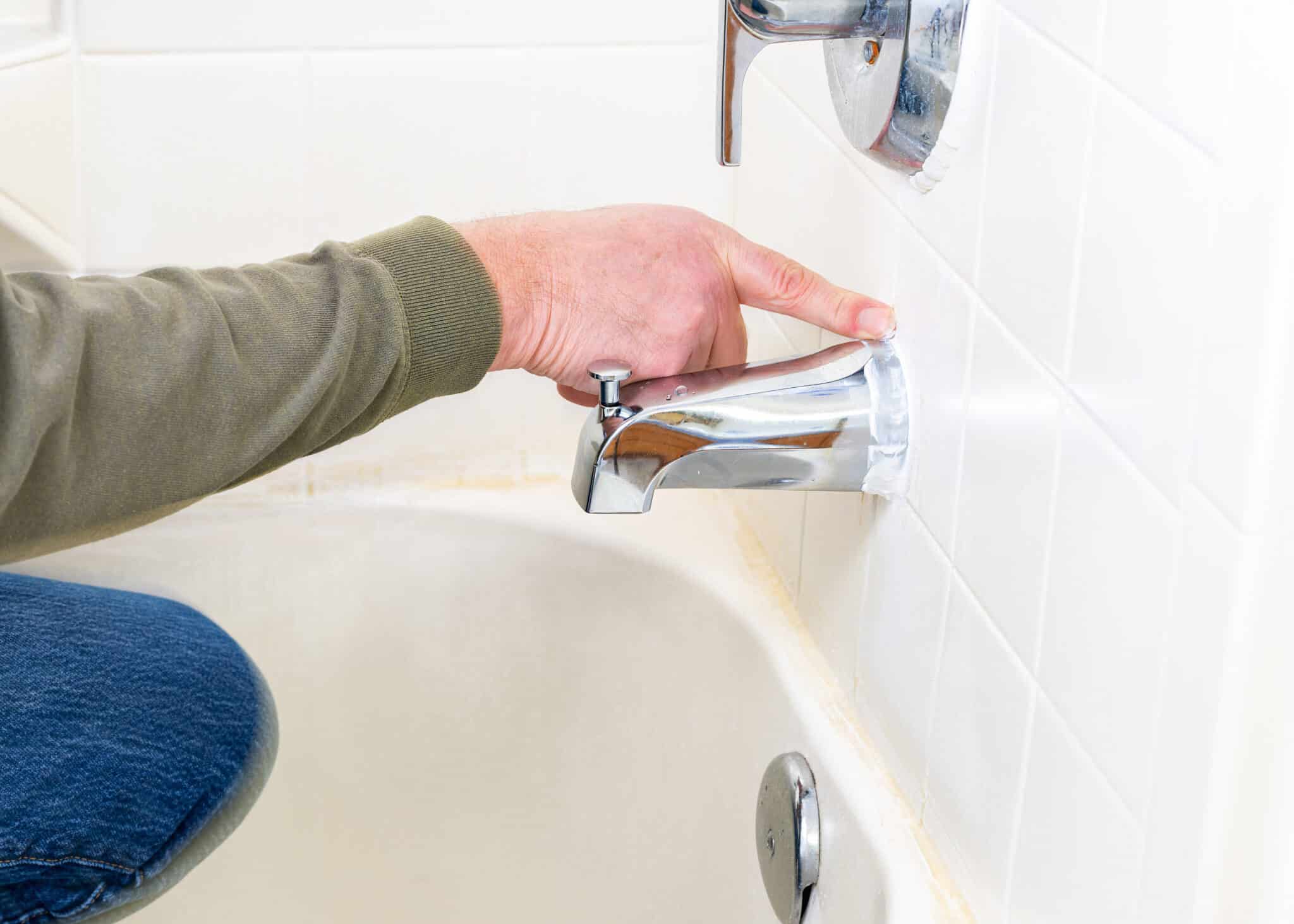
Preventative Maintenance for Your Tub Spout Diverter
Preventative maintenance is key to ensuring your tub spout diverter remains in optimal condition, providing a seamless shower experience. Regularly checking for signs of wear or mineral buildup can prevent issues before they escalate. Homeowners in Clairemont, CA, can benefit from a simple visual inspection every few months. This proactive approach helps identify potential problems early, saving time and avoiding the need for more complex fixes.
In La Jolla, CA, dealing with hard water requires homeowners to take extra steps in maintaining their plumbing fixtures, including the tub spout diverter. Using a water softener can reduce mineral deposits, which often cause blockages and impair functionality. Additionally, wiping down the diverter after use prevents residue from accumulating. These simple habits extend the life of your diverter and ensure it operates smoothly.
For those looking to maintain their tub spout diverter, lubrication plays a crucial role. Applying a silicone-based lubricant to the moving parts of the diverter can prevent sticking and wear. It’s important to do this annually, as it keeps the mechanism working efficiently. This small act of maintenance can make a significant difference in the diverter’s performance and longevity.
Lastly, consulting with a professional for an annual inspection can offer peace of mind and catch issues that might not be visible to the untrained eye. Even if you’re comfortable performing basic maintenance, a plumber can assess the health of your tub spout diverter comprehensively. Residents of both Clairemont and La Jolla, CA, can benefit from such expertise, ensuring their shower system remains in top condition year-round.
Frequently Asked Questions
What causes low shower flow?
Low shower flow often stems from issues with the tub spout diverter. Mineral buildup can block water paths, reducing flow. Sometimes, the diverter’s internal parts wear out, leading to poor performance. Regular cleaning and timely replacement can help maintain optimal water pressure.
How to fix a tub spout diverter?
Fixing a tub spout diverter starts with a simple clean. Use vinegar to dissolve mineral buildup blocking the water flow. If cleaning doesn’t work, replacing the diverter is your next step. Always ensure you turn off the water supply before starting any repairs to avoid water mishaps.
Can mineral buildup affect shower flow?
Yes, mineral buildup can significantly impact shower flow. Over time, minerals from hard water collect in the tub spout diverter, blocking water paths. This blockage restricts water from reaching the showerhead properly. Regular cleaning of the diverter can help prevent this issue and improve water flow.
Signs of a faulty tub spout diverter?
A faulty tub spout diverter often shows clear signs, such as water leaking from the spout during a shower. You might also notice a decrease in water pressure, making your shower less enjoyable. If the diverter is stuck or hard to move, this indicates internal wear or damage. These symptoms suggest it’s time for a closer inspection or a replacement to ensure your shower functions properly.
Is it easy to replace a shower diverter?
Replacing a shower diverter can be straightforward with the right tools and knowledge. First, turning off the water supply is crucial to avoid any unexpected spills. Next, unscrewing and removing the old tub spout diverter carefully will prepare the space for a new one. Finally, installing the new diverter correctly ensures your shower returns to optimal performance, restoring full water flow.