
Ensuring the longevity of your home’s water heater involves more than just regular maintenance. The water heater anode plays a pivotal role in preventing rust and corrosion, safeguarding your tank’s health. Residents in San Diego, CA, and surrounding areas like Clairemont and La Jolla can significantly benefit from understanding this crucial component. It’s not just about keeping the hot water flowing, it’s about maximizing efficiency and extending the life of your appliance.
The water heater anode, often referred to as the sacrificial rod, is designed to attract corrosive elements in the water. This process protects the tank’s interior walls from deteriorating. Without a fully functional anode rod, your water heater is more susceptible to rust and corrosion, leading to leaks or system failure. Recognizing the importance of this component can save homeowners in San Diego a lot of trouble and expense.
Knowing when to inspect or replace the water heater anode is key to preventing premature tank failure. Typically, an inspection every few years is recommended, but this can vary based on water quality in areas like Clairemont and La Jolla. Signs of wear or severe corrosion on the rod indicate it’s time for a replacement. Staying ahead of maintenance can keep your water heating system in prime condition for years to come.
Lastly, being vigilant about signs of corrosion in your water heater can prevent larger issues. Discolored water, a decrease in water temperature, or a metallic taste are indicators that the anode rod may be failing. These symptoms suggest that it’s not effectively protecting your tank from rust. Promptly addressing these signs can extend the life of your water heater, ensuring it continues to meet your household’s needs efficiently.
Understanding the Role of a Water Heater Anode
The water heater anode acts as a hero in the battle against corrosion and rust within your tank. By sacrificing itself, the rod takes on the corrosive elements that would otherwise attack the tank’s walls. This selfless act ensures the longevity and efficiency of your water heater. Homeowners in Clairemont, CA, find that understanding this component makes a significant difference in maintenance costs.
Regularly checking the condition of your water heater anode is a proactive step towards maintaining your system’s health. Experts suggest a thorough inspection at least once every three years, though this may vary based on the quality of your water. Residents in La Jolla, CA, might experience different water conditions, influencing the frequency of these checks. A visual inspection can reveal if the anode rod is due for a replacement, helping to avoid unexpected failures.
The signs of a failing water heater anode are not always immediately obvious. However, early detection is key to preventing more severe issues. If you notice a sudden change in water quality, such as rust-colored water or a metallic taste, it’s time to inspect the anode rod. These changes indicate that the rod is no longer effectively protecting your tank from corrosion.
Replacing a worn-out water heater anode can significantly extend the life of your water heater. This simple maintenance task is a cost-effective way to avoid the expense and inconvenience of premature tank failure. By staying vigilant and replacing the anode rod when necessary, you ensure your water heater operates efficiently for years. Thus, residents in San Diego and its surrounding areas can enjoy the benefits of a well-maintained water heating system.

Signs Your Water Heater Anode Needs Inspection
Knowing when your water heater anode needs a check-up can save you from unexpected breakdowns. If you’re in Clairemont, CA, keep an eye on your water quality. A noticeable drop in water temperature or changes in water clarity can signal that the anode rod is wearing out. These symptoms suggest the rod’s protective layer is diminishing, making inspection and possibly replacement necessary.
In La Jolla, CA, residents might experience a metallic taste in their water, another clear indicator that the water heater anode requires attention. This taste often means the anode rod is close to failing, and the tank’s metal walls are at risk of corrosion. Acting quickly by inspecting the anode can prevent the need for more extensive repairs down the line. It’s a simple step that can significantly impact the longevity of your water heater.
Frequent inspections are not just about spotting signs of wear, they’re about ensuring your water heater runs efficiently. A well-maintained anode rod means less risk of rust and corrosion inside the tank. This proactive approach not only extends the life of your water heater but also maintains the quality of your hot water. It’s a straightforward maintenance task that can save you from costly future replacements.
Lastly, understanding the role of the water heater anode is crucial for any homeowner. It acts as a guardian for your water heater, attracting corrosive elements to itself and away from the tank walls. By keeping an eye out for signs of anode degradation, such as discolored water or a decrease in temperature, you can ensure your water heater remains in optimal condition. Regular inspections and timely replacements of the anode rod will keep your water heating system running smoothly for years to come.
The Process of Inspecting a Water Heater Anode
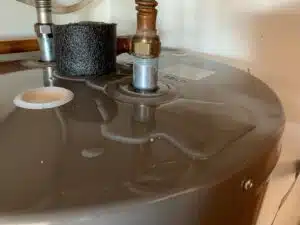
Inspecting your water heater anode is a straightforward process that homeowners in Clairemont, CA, should perform regularly. First, turn off the power to your water heater to ensure safety during the inspection. Next, locate the anode rod on the top of your water heater. It may require removing a cap or some insulation to access it.
Once you have found the anode rod, use a socket wrench to carefully unscrew and remove it from the tank. Inspecting the rod is critical, if it appears heavily corroded or more than half worn away, it’s time for a replacement. This inspection doesn’t take long but plays a vital role in extending your water heater’s lifespan.
Residents in La Jolla, CA, experiencing hard water may need to inspect their water heater anode more frequently. Hard water can accelerate the anode’s wear, making regular checks essential for maintaining water quality and heater efficiency. If unsure about the condition of your anode rod, consulting a professional can provide clarity and peace of mind.
Lastly, after inspecting or replacing the water heater anode, ensure everything is securely reassembled. Turn the power back on and check for any leaks around the anode rod’s fitting. This simple maintenance task, performed regularly, can significantly impact the longevity and performance of your water heater.
When to Replace Your Water Heater Anode
Knowing when to replace your water heater anode is crucial for maintaining your system’s efficiency and preventing rust. If after inspection, the rod is significantly corroded or more than half worn away, it’s time for a new one. Residents in Clairemont, CA, might find this happens more frequently due to their water quality. A fresh anode rod can significantly enhance your water heater’s ability to resist corrosion.
In areas like La Jolla, CA, where the water might be harder, the anode rod wears down faster. This accelerated wear makes it even more important to keep an eye on the anode’s condition. Replacing an anode rod before it fails completely can prevent the tank from rusting. Thus, ensuring your water heater continues to operate efficiently and effectively.
If you’re unsure about the state of your water heater anode, consulting with a professional is a wise decision. They can provide a detailed assessment and recommend whether a replacement is necessary. This step not only helps in maintaining the water heater’s health but also in avoiding unexpected breakdowns. Professional advice can be invaluable, especially for homeowners who are not familiar with water heater maintenance.
Finally, installing a new water heater anode is a proactive step towards extending your water heater’s lifespan. It’s a simple yet effective way to keep the system running smoothly and efficiently. By replacing the anode rod at the right time, you ensure that your water heater remains a reliable source of hot water for your household. This maintenance task is a small investment that pays off by preventing costly repairs in the future.
Types of Water Heater Anodes and Their Benefits
Understanding the different types of water heater anodes is essential for homeowners in Clairemont, CA, looking to protect their investment. Magnesium anodes are popular for their efficiency in protecting water heaters from corrosion, especially in areas with soft water. They offer a high level of protection, making them a go-to choice for many. However, they tend to wear out faster than their counterparts, necessitating more frequent checks and replacements.
In contrast, aluminum anodes are an excellent option for homes in La Jolla, CA, with hard water conditions. These anodes are more durable and resistant to the harsh effects of hard water, extending the time between replacements. They’re also less expensive than magnesium anodes, providing a cost-effective solution for long-term water heater protection. Yet, it’s important to note that some people may experience water with a slightly different taste when using aluminum anodes.
For those seeking the best of both worlds, zinc anodes, which are actually aluminum anodes with a small portion of zinc, can be the perfect solution. The zinc is added to combat sulfur smells in the water, a common issue in some households. This type of anode offers the durability of aluminum with the added benefit of odor control, making it a smart choice for ensuring clean, pleasant-smelling water.
Finally, knowing which type of water heater anode to choose can significantly impact the longevity and efficiency of your water heater. Whether you opt for magnesium for its efficiency, aluminum for its durability, or zinc for odor control, each type offers unique benefits. Consulting with a professional can help determine the best anode for your home’s specific needs, ensuring your water heater remains in optimal condition for years to come.
Step-by-Step Guide to Replacing a Water Heater Anode
Replacing your water heater anode is a straightforward task that homeowners in Clairemont, CA, can undertake to ensure the longevity of their water heaters. First, ensure the power to your water heater is turned off to prevent any accidents. This safety step is crucial before beginning any maintenance work on your appliance. Next, locate the anode rod on the top of the tank, which may require removing some insulation or a cap.
Once you’ve found the anode rod, use a socket wrench to unscrew it carefully. If the rod is significantly corroded or more than half worn away, it’s time for a replacement. This visual inspection helps determine the rod’s condition, guiding you on whether a new one is needed. Residents in La Jolla, CA, dealing with hard water might see faster deterioration, emphasizing the importance of this check.
Installing the new water heater anode begins with gently inserting the new rod into the tank. Make sure it’s securely screwed in to avoid any potential leaks. This step is critical in ensuring the new anode rod functions correctly, offering the best protection against corrosion. A tight fit also prevents water from bypassing the anode, ensuring it does its job effectively.
Finally, after installing the new anode rod, turn the power back on and check for leaks around the installation area. No leaks mean the installation was successful, and your water heater is now better protected against rust and corrosion. Regularly replacing the water heater anode as needed extends your appliance’s life, making this maintenance task a wise investment for homeowners.
Preventing Rust and Corrosion in Water Heaters
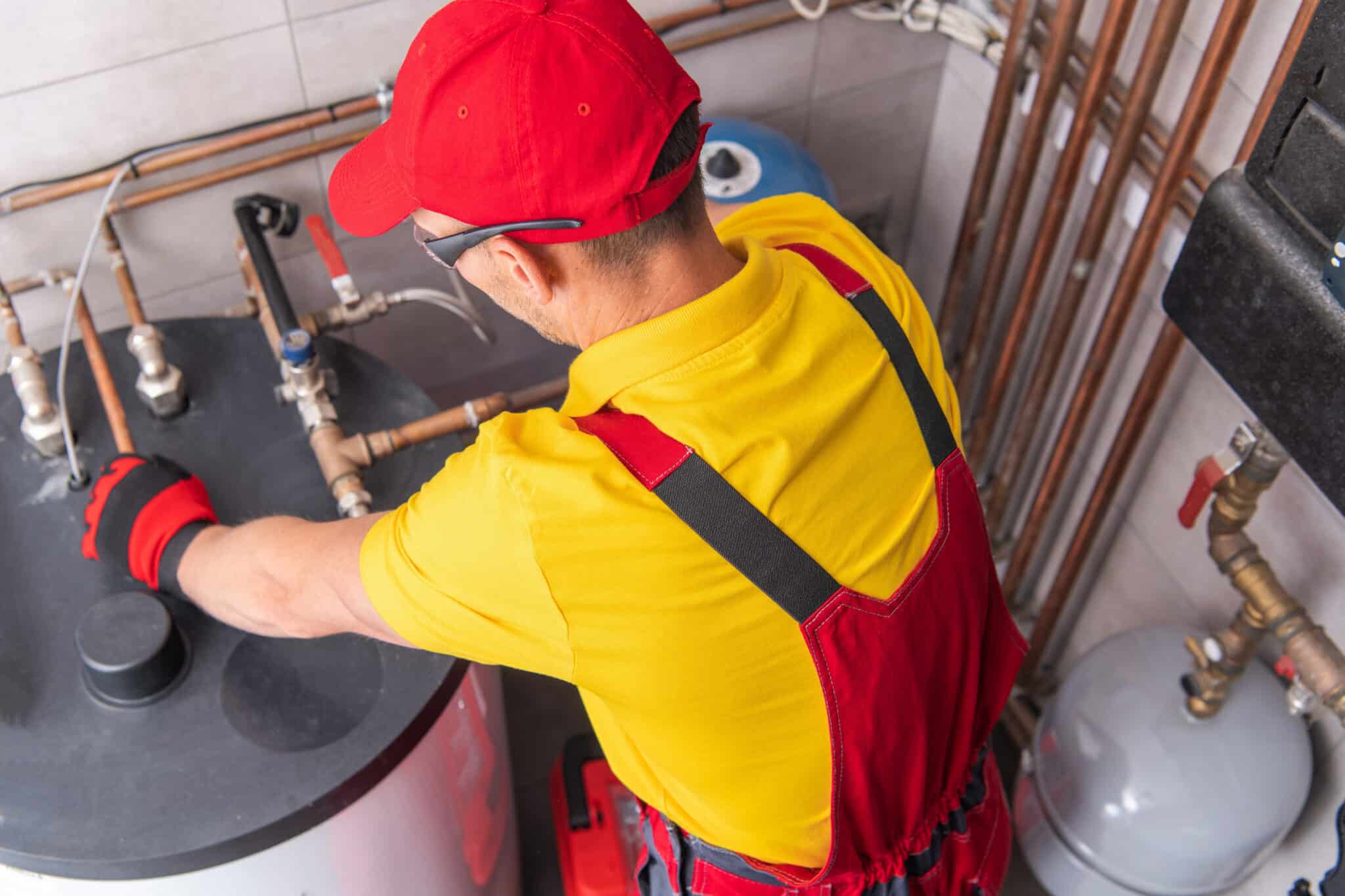
Preventing rust and corrosion in your water heater is crucial for its longevity. The water heater anode plays a key role in this process by sacrificing itself to protect the tank’s interior. Homeowners in Clairemont, CA, should regularly check this component as part of their maintenance routine. This proactive approach can save you from costly repairs down the line.
In La Jolla, CA, the quality of water can accelerate the wear and tear on your water heater anode. It’s important to recognize the signs of anode depletion, such as rusty water or a rotten egg smell. Catching these symptoms early allows for timely replacement of the anode rod. This ensures your water heater remains efficient and free from corrosion.
Water heater maintenance is not just about reacting to problems but preventing them. By understanding the function of the water heater anode, you can take steps to protect your appliance. Regular inspections and replacements of the anode rod can significantly extend the life of your water heater. This small task is a wise investment in the overall health of your water heating system.
Finally, residents should consult with professionals for advice on water heater anode selection and maintenance. Whether you’re in Clairemont or La Jolla, CA, expert guidance can help you make informed decisions. This ensures your water heater operates optimally, providing your home with hot water efficiently and reliably. Keeping an eye on your water heater anode is a simple yet effective way to maintain your appliance’s longevity.
The Impact of Water Quality on Water Heater Anode Life
Water quality significantly influences the lifespan of your water heater anode. In Clairemont, CA, where the water might be softer, anodes tend to last longer due to reduced mineral content. This softer water minimizes the rate at which the anode degrades, prolonging the period between necessary replacements. Homeowners should still monitor their anode’s condition to ensure optimal protection against corrosion.
Conversely, in La Jolla, CA, hard water conditions can accelerate anode wear. The higher mineral content in hard water leads to more rapid consumption of the anode rod. Residents in these areas might find themselves replacing their water heater anode more frequently to maintain the system’s integrity. Recognizing the impact of water quality can help in scheduling timely maintenance checks.
Adjusting maintenance schedules based on local water conditions is crucial for water heater upkeep. If you live in an area with hard water, consider inspecting your water heater anode annually. This proactive approach ensures that the anode continues to effectively protect the tank from corrosion. Staying ahead of potential issues can significantly extend the life of your water heater.
Ultimately, understanding the relationship between water quality and anode life allows homeowners to make informed decisions about their water heating systems. Whether in areas with hard or soft water, regular inspection and timely replacement of the water heater anode are key to preventing rust and ensuring efficient operation. By adapting maintenance practices to suit local water conditions, residents can enjoy the benefits of a durable and reliable water heater.
Frequently Asked Questions
What is a water heater anode?
A water heater anode is a crucial component designed to protect the tank from corrosion. It works by attracting corrosive elements in the water, sparing the tank walls. Over time, the rod wears down and needs replacing to keep the tank safe. Watching for signs of corrosion can help you know when it’s time for a new anode rod.
How often should an anode be replaced?
An anode should be checked every three years for wear and tear. If it looks worn down, it’s time for a replacement. This simple step can significantly extend your water heater’s life. Remember, regular maintenance prevents rust and keeps your water heater running smoothly.
Can a water heater anode prevent rust?
Yes, a water heater anode can prevent rust effectively. By attracting corrosive particles, it protects the tank’s walls from damage. This keeps the water heater safe and extends its lifespan. Regular checks and replacements ensure your water heater remains in top condition.
What are signs of anode failure?
Knowing when a water heater anode fails is key to maintaining your system. Look for rusty water or a metallic taste as clear indicators. Also, if your hot water has a foul odor, it could mean the anode is not working properly. Lastly, a decrease in water temperature might suggest the anode rod needs replacement.
How does a water heater anode work?
A water heater anode attracts corrosive materials in the water, acting as a protective shield for the tank. This process, known as cathodic protection, slows down the rusting inside the tank. Over time, the rod itself corrodes instead of the tank walls. Regular inspection and replacement of the anode ensure the longevity of your water heater, keeping it free from rust and corrosion.