
Clogged kitchen sinks are a common nuisance in households across San Diego, CA, turning what should be a smoothly functioning kitchen into a source of frustration. Whether it’s due to food scraps, grease buildup, or foreign objects, the inconvenience disrupts daily routines. Fortunately, clearing these blockages can be straightforward with the right approach and a bit of know-how. This guide aims to provide you with practical steps and expert advice to tackle clogged kitchen sinks effectively.
Understanding the root cause of your clogged sink is the first step towards a solution. In many homes in Encinitas, CA, and beyond, the issue often stems from everyday kitchen activities. Simple habits, such as how we dispose of cooking grease or the remnants of our meals, play a significant role. By identifying these common culprits, you can prevent future blockages and keep your sink running smoothly.
Prevention is key when it comes to maintaining free-flowing kitchen sinks. Implementing small changes in your kitchen routine can make a big difference. Whether it’s using a sink strainer to catch food particles or being mindful of what goes down the drain, these practices can save you from the hassle of dealing with clogs. Plus, they’re easy to adopt and can significantly reduce the likelihood of future issues.
For those times when prevention falls short, and you find yourself facing a clogged kitchen sink, fear not. There are effective, manageable steps you can take to clear the blockage and restore your kitchen sink’s functionality. From natural remedies to manual clearing techniques, this guide will walk you through the process, ensuring your kitchen sink is back in working order in no time.
Identifying the Cause of Clogged Kitchen Sinks
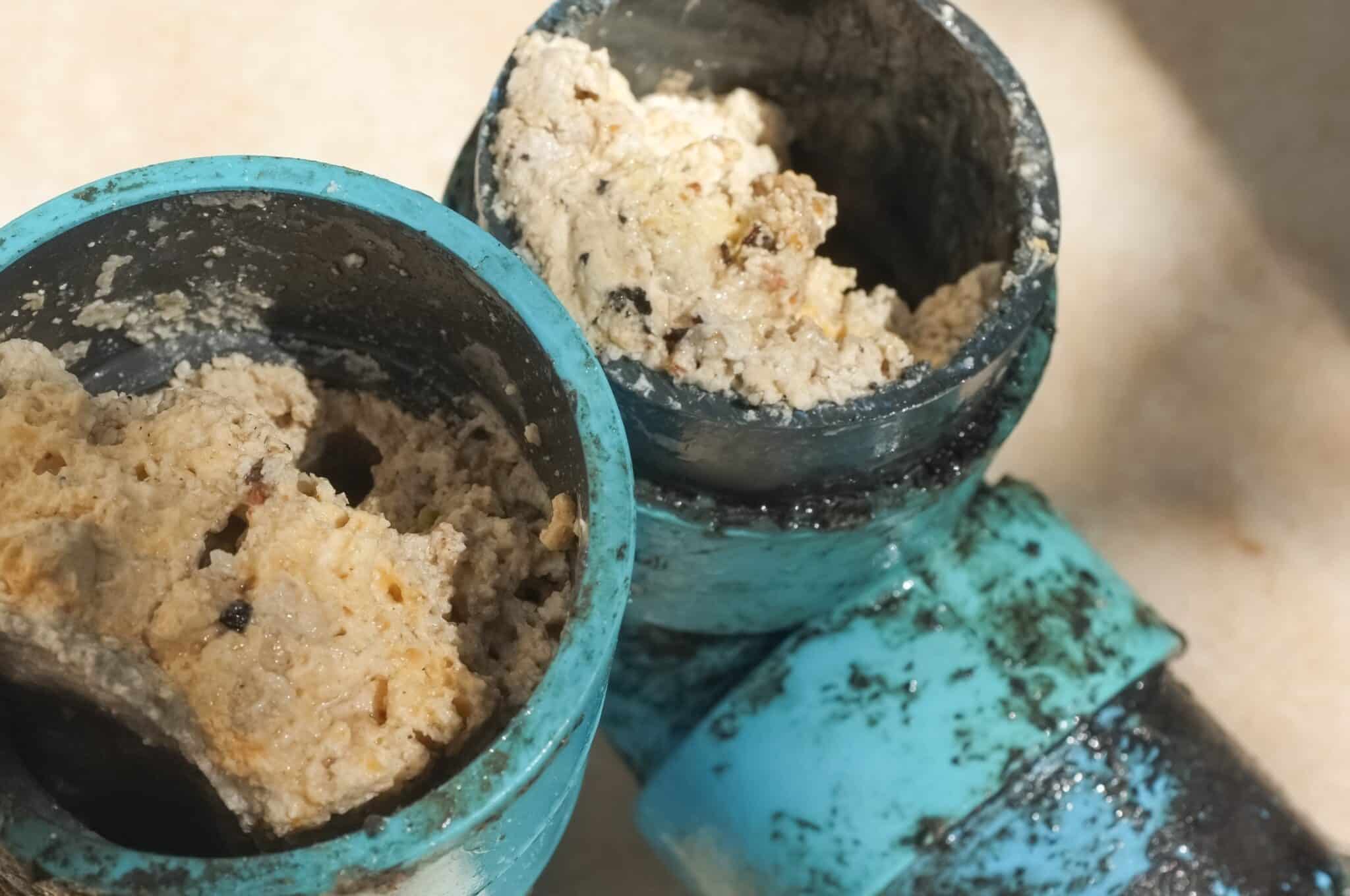
Identifying the cause of clogged kitchen sinks is crucial in finding the right fix. Often, the culprit is food waste that hasn’t been properly disposed of. In San Diego, CA, many households experience blockages due to the accumulation of grease and oil that solidify in the pipes. By pinpointing the exact reason behind the clog, homeowners can choose the most effective method to clear it.
Foreign objects are another common reason for clogged kitchen sinks. Items like utensils, small toys, or even thick food scraps can accidentally fall into the drain, leading to a blockage. It’s important to be mindful of what goes down the sink to avoid such situations. A good practice is to always use a drain strainer to catch these items before they cause a problem.
In some cases, the issue might stem from a buildup of soap scum and mineral deposits from hard water. This is particularly true in areas like Encinitas, CA, where the water supply can contribute to the gradual narrowing of pipes. Regular cleaning and maintenance can help prevent these materials from causing blockages in your kitchen sink.
Lastly, improper use of garbage disposals can lead to clogged kitchen sinks. It’s essential to understand what can and cannot be processed by these devices. Avoid putting fibrous foods, coffee grounds, and non-food items down the disposal. By educating yourself on proper disposal use, you can keep your kitchen sink clear and fully functional.
The Right Tools for the Job
Having the right tools on hand can make all the difference when dealing with clogged kitchen sinks. In San Diego, CA, homeowners often rely on a few essential items to tackle this common issue. A well-equipped toolkit should include a plunger, a plumber’s snake, and a mixture of baking soda and vinegar. These tools, combined with a bit of elbow grease, can clear most blockages quickly and efficiently.
A plunger is usually the first tool to reach for when you notice your sink isn’t draining properly. It’s effective for pushing through clogs caused by everyday waste. Make sure the plunger completely covers the drain opening and use steady, forceful pumps. This action can dislodge the blockage, allowing water to flow freely once again.
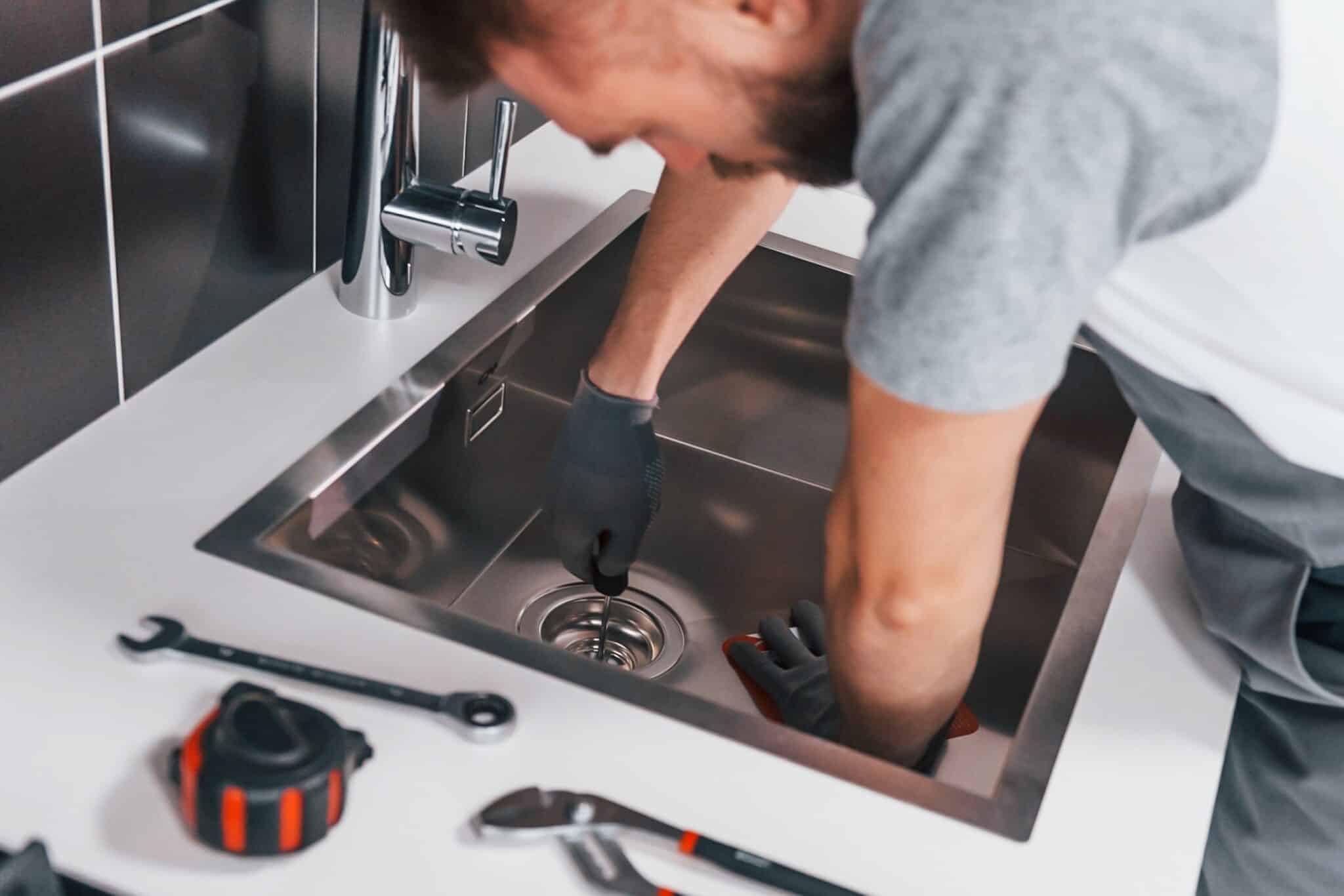
For more challenging clogs, a plumber’s snake, or drain auger, becomes invaluable. This tool allows you to reach deeper into the pipes than a plunger can. By carefully maneuvering the snake through the drain, you can break apart stubborn clogs or even retrieve objects that have fallen in. It’s a more hands-on approach but can save a call to the professionals.
Lastly, a natural solution of baking soda and vinegar can be your go-to for maintenance and mild clogs. This eco-friendly method is safe for your pipes and the environment, a concern for many in Encinitas, CA. Pouring this mixture down your drain once a month can help keep your kitchen sink clear without the need for harsh chemicals. By keeping these tools and tips in mind, you can effectively manage clogged kitchen sinks and maintain a smoothly running kitchen.
Preventative Measures to Avoid Future Clogs
To keep clogged kitchen sinks at bay, adopting preventative measures is essential. One effective strategy is to be mindful of what goes down your drain. In San Diego, CA, residents can benefit from avoiding the disposal of oil and grease down the sink, as these can solidify and cause blockages. Instead, let these cool and dispose of them in the trash to maintain a clear and functional sink.
Another preventative step involves regular cleaning to remove buildup before it becomes a problem. A monthly routine of flushing your drain with boiling water can dissolve any lingering grease or soap scum. This simple habit can prevent the accumulation of debris that often leads to clogged kitchen sinks, ensuring your plumbing remains in top condition.
Installing a high-quality sink strainer is also a wise move. This small tool can catch food particles, preventing them from entering your plumbing system. For households in Encinitas, CA, where the water might contribute to faster buildup, a strainer is an invaluable asset for keeping sinks clear and preventing the hassle of clogs.
Lastly, educating everyone in your home about what should not go down the kitchen sink is crucial. Avoiding the disposal of fibrous materials, coffee grounds, and eggshells can significantly reduce the risk of clogs. By fostering these good habits, you can ensure your kitchen sink stays free from blockages, keeping your daily routines smooth and stress-free.
When to Call a Professional for Clogged Sinks
Despite your best efforts, there are times when clogged kitchen sinks require more than a DIY approach. If you’ve tried plunging, using a drain snake, and the baking soda-vinegar method without success, it might be time to seek professional help. Persistent clogs can indicate deeper issues within your plumbing system that household tools can’t fix. Professionals have the expertise and equipment to diagnose and resolve complex problems, ensuring your sink in San Diego, CA, functions properly.
In Encinitas, CA, water quality and pipe materials can contribute to frequent or severe clogs. If you notice your kitchen sink is repeatedly getting clogged despite regular maintenance and careful use, a plumber can assess if the issue is related to these factors. They can offer solutions tailored to your home’s specific needs, preventing future blockages. This proactive approach can save you time and frustration, keeping your kitchen running smoothly.
Another sign that it’s time to call in a professional is when clogged kitchen sinks lead to water backing up or slow drainage throughout your home. These symptoms can indicate a blockage in the main sewer line, a problem that requires immediate attention. Attempting to resolve such issues on your own can result in further damage or even a health hazard. A qualified plumber has the tools and knowledge to safely address these concerns, protecting your home and health.
Lastly, if you’re experiencing leaks around your kitchen sink or the pipes beneath it, this is a clear indication that professional help is needed. Leaks can cause significant water damage over time and may point to a failing component in your plumbing system. Professionals can quickly identify the source of the leak and repair or replace the affected parts. By addressing these issues promptly, you can avoid more extensive and costly repairs down the line, ensuring your kitchen remains a functional and enjoyable space.
The Impact of Grease and Food Scraps on Pipes
Grease and food scraps are notorious for causing clogged kitchen sinks, particularly in bustling homes across San Diego, CA. When these substances go down the drain, they cool, solidify, and stick to the pipes, gradually reducing water flow. This buildup not only restricts drainage but can also attract more debris, exacerbating the blockage. It’s a cycle that often leads to complete blockages, requiring immediate attention to restore sink functionality.
In Encinitas, CA, the challenge is compounded by the area’s water quality, which can hasten the accumulation of grease and food particles. Homeowners can mitigate this by disposing of grease in the trash rather than down the sink. Additionally, scraping plates thoroughly before washing them helps keep food scraps out of the plumbing. These simple habits go a long way in preventing clogs and maintaining clear kitchen sinks.
Regular maintenance plays a crucial role in combating the effects of grease and food scraps on pipes. Flushing the drain with hot water weekly can melt away any grease that has begun to solidify. For added cleaning power, a mixture of baking soda and vinegar can break down grease and food particles, keeping pipes clear. This routine not only prevents clogs but also prolongs the life of your plumbing system.
Despite best efforts, some clogs are inevitable, especially in households where the kitchen is in constant use. When faced with a clogged kitchen sink, it’s important to act swiftly. Using a plunger or a plumber’s snake can often dislodge the blockage caused by grease and food scraps. If these methods fail, it might be time to seek professional assistance to ensure your kitchen sink is free from clogs and running smoothly.
Eco-Friendly Ways to Maintain Clear Sinks
In today’s world, being mindful of our environmental impact is more important than ever, especially when it comes to maintaining our homes. For residents in San Diego, CA, adopting eco-friendly practices for dealing with clogged kitchen sinks can make a significant difference. Instead of reaching for harsh chemical cleaners that can harm the environment, try natural alternatives. A combination of hot water and dish soap can soften and break down minor clogs, offering a simple yet effective solution.
Another eco-friendly method involves using a plunger to clear clogged kitchen sinks. This manual approach applies pressure to dislodge blockages without the need for chemicals. It’s a quick and safe technique that homeowners in Encinitas, CA, can easily employ. Regular use of this method can prevent the buildup of debris, keeping sinks clear and functional.
For a deeper clean, consider using boiling water. This method is particularly effective for dissolving grease that has solidified in your pipes. Pouring a kettle of boiling water down the drain once a week can maintain clear pathways, preventing future clogs. This practice, combined with avoiding the disposal of oils and grease down the sink, can significantly reduce the likelihood of blockages.
Lastly, educating household members about what not to put down the sink is crucial. Items like coffee grounds, eggshells, and pasta can quickly lead to clogs. By fostering awareness and implementing these eco-friendly practices, families can keep their kitchen sinks clear while also contributing to environmental conservation. These simple steps not only prevent clogged kitchen sinks but also promote a healthier planet.
Understanding the Plumbing Behind Kitchen Sinks
To truly tackle clogged kitchen sinks, a basic understanding of the underlying plumbing is essential. In San Diego, CA, homes often feature a standard double-basin sink setup, connected by pipes that merge into the main drainage system. This design means that clogs can occur not just in the visible areas of the sink but anywhere along the pipe’s path to the sewer. Recognizing where blockages are most likely to form helps in applying the correct unclogging method.
The pipes beneath your kitchen sink, typically made of PVC or metal, are prone to accumulating grease and food particles. In Encinitas, CA, the hard water can contribute to faster buildup within these pipes, leading to frequent clogs. Regular cleaning and maintenance of these pipes can prevent blockages, ensuring smooth water flow. It’s beneficial to familiarize yourself with the pipe configuration under your sink to better diagnose and address issues as they arise.
Venting is another critical aspect of kitchen sink plumbing that can affect drainage. Proper venting ensures air can flow into the pipes, preventing vacuum scenarios that can slow down water drainage. If water in your kitchen sink is draining slowly, it might not always be a clog causing the issue, it could be a venting problem. Checking the venting system can sometimes reveal easy fixes that restore proper function to your sink without the need for extensive plumbing work.
Lastly, the garbage disposal unit, common in many kitchens, plays a significant role in preventing clogged kitchen sinks. However, misuse or overloading of the disposal can lead to clogs both in the unit and further down the plumbing. Being mindful of what you put into your disposal and running it correctly can greatly reduce the risk of clogs. Regular cleaning and maintenance of the disposal unit can keep it functioning efficiently, contributing to a clog-free kitchen sink.
Frequently Asked Questions
What causes clogged kitchen sinks?
Clogged kitchen sinks often result from food scraps, grease, and foreign objects going down the drain. Over time, these materials build up, blocking water flow. Regular cleaning helps prevent this issue, but sometimes professional help is needed. Using a strainer can also catch debris, reducing the risk of clogs.
How to prevent clogged kitchen sinks?
To keep clogged kitchen sinks at bay, avoid letting food scraps and grease go down the drain. Installing a high-quality strainer catches debris, significantly reducing blockage risks. Running hot water after dishwashing also helps dissolve lingering grease. Regularly cleaning your drain with baking soda and vinegar maintains clear pipes, preventing future clogs.
Can boiling water unclog a sink?
Pouring boiling water down the drain can sometimes clear clogs in kitchen sinks. This method works best on grease-related blockages by melting the grease. However, it’s not effective for all types of clogs, such as those caused by solid objects. Always use caution with boiling water to avoid burns and damage to pipes.
What tools are needed for unclogging?
To tackle clogged kitchen sinks, a few basic tools are essential. A plunger often works well for minor blockages, creating pressure to dislodge the clog. For tougher clogs, a plumber’s snake or drain auger can reach deeper into the pipes. Additionally, a bucket and gloves are useful for clean-up and protection during the process.
Are chemical cleaners safe for all pipes?
Chemical cleaners can clear clogged kitchen sinks but aren’t safe for all pipes. They may damage older or plastic piping over time. Always read labels carefully to ensure compatibility with your plumbing. For a safer option, consider natural methods or professional assistance to protect your pipes.